





Capturing the Beauty of New Beginnings
Pregnancy is one of the most beautiful and transformative times in a woman’s life. Every glow, every smile, every quiet moment tells a story worth remembering. That’s exactly what Julia Kuper, one of the best maternity photographers in Connecticut, captures — genuine emotion, strength, and grace in every frame.

A Luxury Photography Experience Tailored to You
Julia’s studio in Stamford, CT, is more than just a photo space — it’s a sanctuary where mothers-to-be can relax, feel pampered, and connect with their inner beauty. From soft lighting and flowing fabrics to timeless poses, every session is crafted to make you feel radiant and empowered.
Her process begins with understanding your vision — whether you dream of elegant studio portraits or an ethereal outdoor session at sunset, Julia brings it to life with an artist’s touch and a mother’s empathy.
Why Expecting Mothers Choose Julia Kuper
What makes Julia truly exceptional isn’t just her technical skill — it’s her ability to make clients feel comfortable, confident, and celebrated. Her photos aren’t about perfection; they’re about you — your laughter, your anticipation, and your love.
Expecting mothers across Connecticut praise her calm energy, creativity, and her gift for capturing fleeting moments that become cherished keepsakes.
The Perfect Gift to Your Future Self
A maternity photoshoot with Julia Kuper isn’t just a session — it’s a memory you’ll look back on years later with warmth and pride. It’s a way to freeze in time the magic of motherhood before it becomes a blur of baby giggles and sleepless nights.
Conclusion: Turn Your Journey into Art
If you’re searching for the best maternity photographer in Connecticut, look no further than Julia Kuper. With her refined style and heartwarming approach, she transforms pregnancy into pure visual poetry.
📍 Location: Stamford, CT
🌐 Website: https://www.kuperphoto.com/
📸 Specialties: Maternity, Women’s Portraits, and Family Photography
Flowers in the U.S.—They’re a Big Deal
Think flowers are just pretty little things sitting in a vase? Not in the U.S. In America, flowers are a whole vibe. They’re tied to history, culture, state pride, and yeah—even politics. Ever noticed how every U.S. state has its own official flower? It’s like each place has its own botanical spirit animal.

Some examples:
- California – The bright orange California poppy 🌼
- Texas – The iconic bluebonnet (you’ve seen it in road trip photos)
- Hawaii – Yellow hibiscus, as tropical as it gets
- Illinois – The sweet little violet
On top of that, we’ve got massive flower festivals. The most famous? The National Cherry Blossom Festival in Washington, D.C.—millions of people show up every spring to snap selfies under the pink trees gifted by Japan over a century ago.
What’s Coming in 2026? A Big Year for Flowers
So, what’s the deal with 2026? It’s not just another year—it’s America’s 250th birthday. Yep, the Semiquincentennial (try saying that three times fast). And flowers? They’re gonna be front and center in all the celebrations.
🌺 1. Red, White & Blooming All Over the U.S.
With the big anniversary, cities across the country are planning flower-focused events, gardens, and floral art installations. Philly, where it all started back in 1776, is planning a special “Garden of Independence”—a floral tribute made entirely of native U.S. plants. Expect to see patriotic color combos everywhere: red roses, white lilies, and blue delphiniums are about to be the unofficial flower lineup of the year.
🌿 2. Local Flower Farms Are Booming
Since the pandemic, more folks have been buying local flowers instead of imports, and this trend is only growing. By 2026, experts say we’ll see a big push for “slow flowers”—that’s like farm-to-table, but for your bouquet.
States like Oregon, Washington, and Vermont are leading the way with small flower farms that are all about sustainability and fresh, in-season blooms. Think dahlias, sunflowers, peonies—grown without the chemicals and with tons of love.
💐 3. Floral Style in 2026? Wild & Free
Say goodbye to those perfect, cookie-cutter bouquets. The trend for 2026 is all about wildflower energy—asymmetrical, natural, and a little messy (but in a cool way). People are into that “just picked from a field” look.
Expect to see:
- Dried elements like grasses and seed pods
- Lavender and eucalyptus for scent and texture
- Funky combos like sunflowers + ranunculus + weird vines (yes, it works)
By the Numbers: America’s Flower Obsession
Here’s a snapshot of where the U.S. stands right now with its flower game:
| What’s Happening | The Numbers |
| Floral industry size | $6.5+ billion/year |
| Most flower-friendly states | California, Florida, Washington |
| Top-sold flowers | Roses, tulips, lilies |
| Growth in local flower sales | Up 18% in the last 2 years |
And fun fact: there are more flower farms in the U.S. than Starbucks. No joke—over 16,000 of them!
Did You Know?
- Americans buy over 4 billion flower stems each year.
- Tulips are seen as the flower of friendship.
- Red roses still dominate Valentine’s Day like a boss.
So, Why Should You Care?
Because in 2026, flowers won’t just be pretty—they’ll be part of a bigger cultural movement. Between the patriotic celebrations, booming local farms, and new trends in florals, we’re looking at a year where flowers actually mean something. Whether you’re a florist, a gardener, or just someone who likes fresh blooms on your kitchen table, there’s never been a better time to get into it.
So yeah—flowers are having a moment, and 2026 might just be their biggest one yet.
In a city as creative and vibrant as Philadelphia, finding a photographer isn’t hard. But finding the one—someone who captures your story, your light, your moment—is rare. That’s why more and more people are turning to Anna Sam Photography.
Known for her dreamy edits, cinematic tones, and raw, emotional storytelling, Anna has quietly built a reputation as one of the Best photographers in Philly. Whether it’s a wedding, portrait session, maternity shoot, or personal brand project—she doesn’t just take pictures. She captures vibes.

📸 Who Is Anna Sam?
Anna isn’t your average point-and-shoot photographer. She’s an artist first. Her background in fine art and visual storytelling shows up in every frame. Her work blends natural light, emotive posing, and that magic in-between moment most photographers miss.
What really sets her apart is her personal connection to each session. She listens. She observes. She gets to know her clients so she can tell their story, not just snap a cute photo for Instagram.
“It’s about trust,” she says. “When people feel seen, the camera disappears. That’s when the real magic happens.”
🌟 What She Shoots
Whether you’re celebrating something big or simply want to capture this chapter of your life, Anna’s portfolio is packed with intimate, editorial-style work that feels like you—but elevated.
Popular Sessions:
- Weddings + Elopements: Modern, moody, and unforgettable
- Lifestyle Portraits: Perfect for creatives, couples, or just because
- Maternity & Motherhood: Soft, natural, and soul-filled
- Brand & Content Creation: Authentic storytelling for businesses and entrepreneurs
Each shoot feels like a collaboration, not a transaction. She gives direction when you need it and knows when to just let the moment unfold.
🖼️ Signature Style: Soft, Honest, Cinematic
Let’s talk aesthetics. Anna’s work has that film-like warmth—soft skin tones, moody shadows, natural movement. It’s not overly posed, not over-edited. It’s the kind of photography that feels like a memory, not a filter.
Expect:
- Golden hour light
- Editorial framing
- Candid moments you didn’t even know were happening
- A calm, grounded energy behind the lens
Her photos tell stories, not just scenes.
📍 Based in Philadelphia (But Will Travel for Love)
Anna Sam Photography is proudly Philly-based, with a cozy studio space and go-to outdoor locations around Old City, Fairmount Park, and Fishtown. But she’s also open to travel for weddings and destination shoots—especially if it means chasing sunlight or telling a powerful story.
So whether you’re local or planning something special in Philly, you’re in great hands.
❤️ Why Clients Love Her
It’s not just the photos—it’s the experience. Clients rave about how comfortable, confident, and seen they feel during their session.
“I’m awkward in front of the camera, but Anna made me feel so natural. When I saw the photos, I literally cried.” — a real review
From initial consultation to final gallery delivery, everything is intentional, easy, and incredibly personal. You’ll walk away with more than just pictures—you’ll have a piece of your life documented in a way that feels real and meaningful.
✨ Perfect For:
- Couples who hate stiff poses
- Creatives who want to elevate their brand
- Mamas-to-be who want to celebrate this season
- Anyone craving soulful, editorial photography with feeling
Booking Info + Portfolio
Ready to book your shoot or just want to soak in the visual goodness?
👉 Visit Anna Sam Photography
There, you can check out her full portfolio, read client stories, explore packages, and fill out a contact form to start the convo.
Sessions book up fast, especially during peak seasons—so if you’re planning something in advance, don’t wait too long.
Final Thoughts: Why Anna Sam is the Best in Philly
If you’re looking for someone to capture your story—not just your smile—Anna Sam is it. She’s the rare kind of photographer who sees people deeply and turns that connection into art. In a city full of creatives, she’s carved out a space that’s honest, emotional, and completely unforgettable.
Real photos for real people. That’s the Anna Sam difference.
If you think artificial intelligence is some distant, futuristic thing — like robots walking your dog or your toaster arguing with your fridge — think again. In 2025, AI is already shaping how Americans live, work, learn, and even fall in love. From TikTok algorithms to job interviews, AI has moved from science fiction into your group chat, your inbox, and your doctor’s office.
The shift isn’t always loud or dramatic. It’s subtle. Quiet. Almost invisible. But make no mistake — it’s everywhere. And heading into 2026, that influence is about to grow even more.
So what does that mean for real people? Let’s talk about how AI is changing everyday life in the U.S., and what we can expect next.
📱 Your Phone Is Smarter Than You Think
AI isn’t just in big machines or labs — it’s in your pocket. Every time you unlock your phone, scroll Instagram, ask Siri a question, or send a voice text, AI is working behind the scenes.
Common AI tools most people use daily:
- Smartphone facial recognition (like Face ID)
- Auto-correct and predictive text in your messages
- Spotify and Netflix recommendations
- Photo editing apps that enhance or retouch with one tap
By 2026, we’ll likely see personalized AI assistants that do more than set reminders — they’ll book appointments, write emails, even help with homework or create travel plans tailored to your habits.
🧠 At Work: AI Is Reshaping the 9 to 5
In 2025, AI is quietly taking over tasks that used to require full-time humans — and not just in warehouses or coding jobs. Office workers, teachers, recruiters, and marketers are all using AI tools to save time and boost productivity.
What it looks like now:
- AI writing assistants helping with reports, emails, and presentations
- Resume screeners powered by algorithms (they decide if you even get an interview)
- Virtual meeting summarizers that take notes for you
- Chatbots handling customer service
And let’s be honest — many jobs will keep evolving fast. Some roles may disappear, but new ones are popping up too, especially in AI ethics, prompt engineering, and automation strategy.
🏥 In Healthcare: Faster Diagnoses, Personalized Treatment
AI is making a real difference in medicine and healthcare, especially when it comes to analyzing data quickly and accurately.
Right now in the U.S., AI is helping:
- Spot cancer earlier through advanced image analysis
- Predict patient risks using electronic health records
- Translate medical jargon into patient-friendly summaries
- Speed up drug research and vaccine development
In 2026, expect more virtual health assistants that can triage symptoms, schedule appointments, and remind you to take meds — all personalized to your health profile.
Still, there are concerns about privacy and bias, especially when AI systems are trained on limited or skewed data. Expect more debates around regulation in the next year or two.
🎓 In Schools and Classrooms: AI as a Learning Buddy
Forget clunky online learning from the pandemic days. AI is now showing up in smart, adaptive learning platforms that adjust in real-time based on how students learn.
U.S. schools are starting to use:
- AI tutors that help with math, reading, and languages
- Essay feedback tools that coach students instead of just grading
- Custom learning paths for kids with special needs or different skill levels
Some teachers love it. Others are cautious. But one thing’s for sure: AI is changing how students engage with information, and that shift is just beginning.
🎨 Creativity Gets a Tech Twist
You’ve probably seen AI-generated art on Instagram or wild TikToks about AI writing full novels in minutes. But here’s the wild part: AI is now a creative collaborator, not just a tool.
Artists, musicians, and writers are experimenting with:
- Text-to-image generators (like Midjourney or DALL·E)
- Music creation tools that build beats or harmonies
- AI video editing and animation
- Poetry and storytelling bots
But this also raises big questions: Who owns AI-generated content? What’s real art anymore? Expect legal and ethical battles over copyright, originality, and identity as AI gets even better at mimicking human creativity.
❤️ Love & Relationships: Yes, AI Is Here Too
Swipe culture meets machine learning. Welcome to AI-enhanced dating.
In 2025, dating apps are using AI to:
- Suggest more compatible matches
- Rewrite your bio (yep, seriously)
- Schedule dates based on your calendars
- Even coach you through conversations with tips
Some singles are even using AI companions or chatbots as emotional support. Creepy? Maybe. Comforting? For some — absolutely. Either way, human connection is evolving, and AI’s playing a surprising role.
⚖️ Risks and Red Flags: Not All Roses
As cool as all this sounds, there’s another side to the story. AI is powerful, but it also raises huge questions about:
- Privacy – Who’s collecting your data?
- Bias – Can AI be racist, sexist, or unfair? (Yes, if trained that way.)
- Misinformation – Deepfakes and fake news are getting harder to spot
- Job displacement – Not everyone’s job will survive this shift
That’s why lawmakers and tech leaders are under pressure to create strong regulations. Think of 2026 as a make-or-break year for ethical AI development.
Final Thoughts: It’s Not Sci-Fi Anymore
The biggest shift? We’re no longer asking “Will AI change the world?” The real question now is:
How do we live with it — safely, creatively, and consciously?
Whether you’re excited, nervous, or somewhere in between, the truth is simple:
AI isn’t coming. It’s here. And it’s changing your world faster than you think.
Stay aware. Stay curious. And maybe let your AI assistant remind you to take a break once in a while.
Let’s be honest — a lot of Americans are frustrated with the two-party system. Red vs. blue. Left vs. right. Year after year, it’s the same political tug-of-war, and more people are saying: “There has to be another way.”
Enter: third parties and independent candidates.
As we move closer to the 2026 midterms, there’s a growing shift in the air. Voters are more open than ever to alternatives beyond Democrats and Republicans, and political outsiders are starting to make real noise. Could this be the year that independents and third-party candidates finally break through the gridlock?
Here’s what’s happening right now — and why it matters.
📊 The Stats Don’t Lie: Voter Loyalty is Slipping
According to recent Gallup polls, about 49% of Americans now identify as independents, not aligned with either major party. That’s the highest number in decades. And it’s not just talk. In state races, local elections, and even Congress, more independent and third-party candidates are showing up—and winning.
Reasons behind the shift:
- Frustration with partisan gridlock
- Lack of trust in career politicians
- Desire for fresh voices and practical solutions
- Disconnection from party values, especially among younger voters
In short, Americans are craving change, and they’re looking beyond the usual suspects to find it.
🧭 Who Are the Players? (It’s Not Just the Libertarians)
When people think of third parties, they often think of the Libertarian Party or Green Party—and while they’re still around, the movement is diversifying fast.
🔸 Forward Party
Founded by former presidential candidate Andrew Yang, the Forward Party is gaining traction with a focus on ranked-choice voting, non-partisan governance, and “data over drama.” It’s centrist, solutions-based, and positioned to appeal to independents who feel politically homeless.
🔸 No Labels Movement
Not quite a party, but a powerful movement. No Labels supports moderate, bipartisan candidates and has flirted with the idea of backing a unity presidential ticket in 2028. They’ve got donors, big-name political allies, and influence.
🔸 Independent Candidates
Some are starting to rise without a party at all. In states like Alaska and Maine, independents have already won Senate seats or statewide races. These “outsiders” often appeal to both sides by focusing on local issues instead of national tribalism.
⚖️ The Big Idea: Ranked-Choice Voting Could Be a Game Changer
One of the biggest barriers for third-party success has always been the “spoiler effect” — the idea that voting for a third candidate just splits the vote and helps the opposition win.
But ranked-choice voting (RCV) is changing that.
RCV lets voters rank candidates by preference. If no one gets a majority, the lowest-scoring candidate is eliminated and votes are redistributed until someone hits 50%. It’s already being used in:
- Maine (statewide)
- Alaska (for federal and state races)
- Dozens of cities and counties around the country
With RCV, third-party candidates have a real shot — and voters can support them without fear of wasting a vote.
🗽 What’s at Stake in 2026
The 2026 midterm elections will test just how real this independent momentum is. Several states will have key governor, Senate, and House races, and third-party candidates are already lining up in places like:
- Oregon
- Arizona
- Pennsylvania
- Nevada
- Utah
If even a handful of these candidates win — or come close — it could change the political landscape heading into 2028 in a huge way.
Expect more media coverage, more fundraising, and more pressure on the major parties to adapt or lose ground.
🙋♀️ Why Voters Are Paying Attention
Let’s break it down. Here’s what modern voters — especially younger ones — are looking for:
- Less performative politics, more actual progress
- Transparency and accountability, not rehearsed talking points
- Environmental action, tech regulation, and real healthcare reform
- Candidates who listen, not lecture
- Voices that don’t sound like they’re from another century
In short: voters are ready for leaders who actually reflect real life, not just party ideology.
🚧 The Challenges Are Still Real
Don’t get it twisted — breaking through in American politics is still an uphill battle.
Major obstacles include:
- Ballot access laws that vary by state and favor major parties
- Lack of media coverage for third-party campaigns
- Fundraising difficulties without big party machines
- Deep-rooted voter habits and fear of “wasting a vote” in close races
But things are shifting. Social media, crowdfunding, and political fatigue are leveling the playing field, even if slowly.
Final Thoughts: Could 2026 Be the Turning Point?
We’ve heard it before — “This is the year third parties rise!” But 2026 feels different. With new voting systems, better organization, and a public more open than ever to political alternatives, we may finally see real disruption in the two-party status quo.
The rise of independents and third-party candidates isn’t about fringe politics. It’s about people saying:
“Enough of the noise. We want something new.”
And maybe, just maybe, 2026 is the year they get it.
In 2026, the United States will celebrate its 250th anniversary — yep, two and a half centuries since the Declaration of Independence was signed in 1776. It’s being called the Semiquincentennial, which is a mouthful, but the moment is huge.
This milestone isn’t just about fireworks and flag-waving. It’s a chance for the country to look back, look forward, and maybe hit reset. With everything going on in politics, culture, tech, and daily life, 2026 is shaping up to be a turning point — one that could define what the next 250 years might look like.
So, what’s coming? Here’s what to expect as America gears up for a once-in-a-generation celebration — and reckoning.
🎉 Big Celebrations, Bigger Conversations
Of course, 250 years calls for a party — and the U.S. has massive events planned nationwide.
Here’s what’s already on the calendar:
- Philadelphia will host the centerpiece of the national celebration (makes sense — that’s where it all started).
- The America250 Commission, created by Congress, is coordinating events across all 50 states.
- Expect parades, exhibits, concerts, memorial projects, and probably a Netflix documentary or two.
But this isn’t just about nostalgia. Organizers say the goal is to highlight stories that were overlooked in 1776 — women, Indigenous people, Black Americans, immigrants — and build a more inclusive American narrative.
🇺🇸 Patriotism Is Getting a Rebrand
Let’s face it: the way Americans talk about patriotism has changed. For some, it’s still about flags and national pride. For others, it’s about fighting for the version of America that hasn’t existed yet — one that’s fairer, more equal, and more honest about its past.
In 2026, we’ll likely see:
- New monuments and memorials that reflect diverse histories
- Educational campaigns in schools with updated history content
- Grassroots events by artists, activists, and educators redefining what it means to be American today
This could be the year patriotism shifts from a political label to a personal expression — and that’s a big deal.
💬 Cultural Flashpoints: What Will Americans Be Talking About?
If the last few years were any indication, 2026 will be loud — especially online. Here are a few cultural conversations already brewing:
1. Free Speech & Social Media
New regulations are being debated on how to manage AI-generated content, political deepfakes, and misinformation. The First Amendment will be tested in new digital ways.
2. Education and Curriculum Fights
The battle over what gets taught in schools — especially around race, gender, and history — isn’t slowing down. Expect more local clashes and national debates.
3. Reparations and Racial Justice
Several cities are piloting reparations programs, and national attention is growing. By 2026, this topic could be part of federal conversations — especially during election season.
4. Gun Reform vs. Gun Rights
The Second Amendment debate remains fierce. States continue to pass conflicting laws, and public pressure is mounting for a national reckoning.
💡 The Tech Factor: America in the Age of AI
By 2026, AI won’t be new — it’ll be everyday life. But the U.S. still hasn’t fully figured out how to legally, ethically, or culturally deal with it.
Watch for:
- AI and job automation becoming a core issue in elections
- Debates over AI in policing, surveillance, and education
- New pushes for digital rights, privacy laws, and online safety
- “Made in USA” AI tech versus global competitors like China
If 1776 was about freedom from monarchy, 2026 might be about freedom from algorithmic control. (Seriously.)
🌎 Climate, Infrastructure & the Next 250 Years
America’s facing some big questions: What does the country look like in 2076? 2176? 2276?
That’s where climate and infrastructure come in. In 2026, we’ll likely see:
- More electric cars on the road than ever before
- Massive funding for green infrastructure and renewable energy
- Smart cities with AI-powered public services
- Rising pressure to reduce emissions before it’s too late
The Semiquincentennial could become a launchpad for the U.S. to fully commit to long-term climate action — or risk falling behind globally.
🗳️ Politics: The Countdown to 2028 Begins
Although 2026 is a midterm year, it’ll feel like a warm-up for the next presidential race. Political movements will use the Semiquincentennial spotlight to set the tone for what kind of America they want.
Expect:
- Independent and third-party voices to grow louder (see the Forward Party and others)
- Gen Z candidates to start appearing in real races
- Big cultural divides playing out on TikTok, not cable news
- Debates about the future of the Constitution — not just who should run it
Final Thoughts: This Isn’t Just a Birthday — It’s a Crossroads
America turning 250 is a chance to celebrate, yes. But it’s also a time to ask hard questions:
- Who are we now?
- Who do we want to be next?
- What’s worth keeping, and what do we need to let go of?
Whether you’re feeling proud, uncertain, hopeful, or somewhere in between — 2026 is going to make you feel something. And maybe that’s the point.
Looking for a European escape that’s tropical, adventurous, and still relatively unknown to American tourists? Meet Tenerife, the crown jewel of Spain’s Canary Islands. Nestled off the northwest coast of Africa, Tenerife blends stunning volcanic landscapes, white and black sand beaches, lush forests, and centuries-old towns—making it a paradise for every kind of traveler. Unlike more traditional destinations in mainland Europe, Tenerife gives you something unexpected: a wild, untouched beauty mixed with relaxed island life and world-class experiences.
From hiking to the summit of Spain’s highest mountain to snorkeling in crystal-clear Atlantic waters, every day here feels like a completely new adventure. And yet, when the sun sets, you can wind down in small village squares, sip local wine, and dine in style. Whether you’re into nature, history, food, or just pure relaxation, Tenerife checks all the boxes.
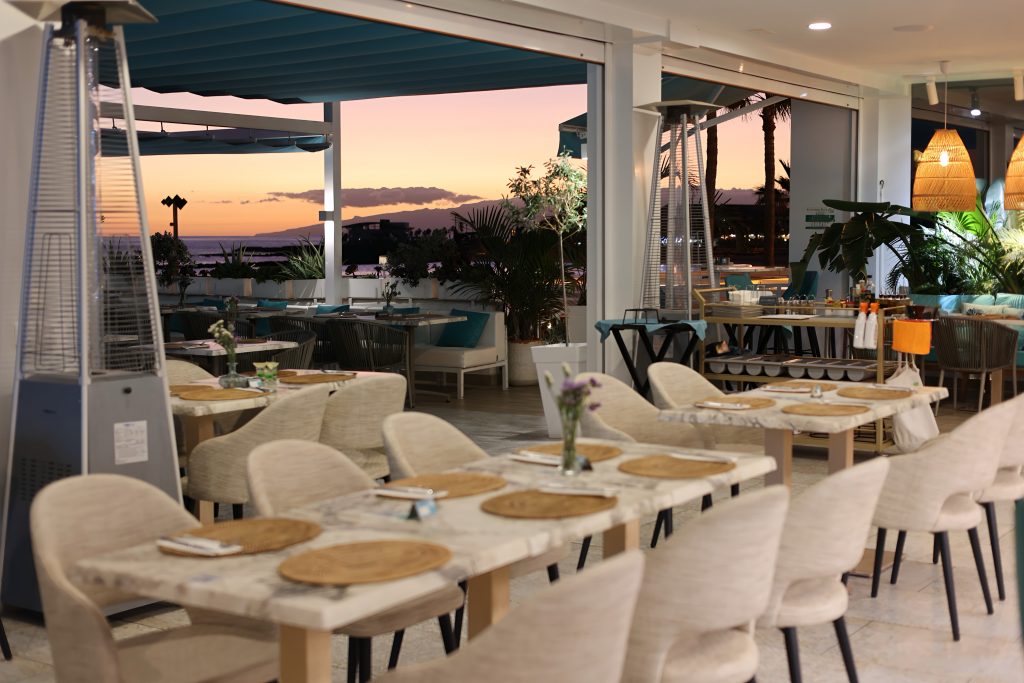
When it comes to dining, don’t miss the Best restaurant experience in Tenerife — La Medusa. This elegant seaside restaurant, located in Costa Adeje, is the definition of refined Canarian cuisine. La Medusa offers more than just food—it crafts a sensory journey with ocean views, artful dishes, and fresh local ingredients. Expect elevated seafood, creative tasting menus, and a setting that captures the calm luxury of the island. It’s a must for any traveler looking to savor the real flavor of Tenerife.
Let’s dive into the absolute best places to visit on this unforgettable island, specifically curated for travelers coming from the U.S.
How to Get to Tenerife from the U.S.
So you’re ready to explore this Atlantic gem—but how do you get there from the United States? While Tenerife might not yet have direct flights from the U.S., it’s surprisingly accessible with just one layover, usually in a major European city.
Your best bet is to fly into Madrid, Barcelona, or London, and then catch a quick flight (2.5 to 3 hours) to Tenerife South Airport (TFS) or Tenerife North (TFN). TFS is the most popular for international arrivals and is well connected to the main tourist regions.
Here’s a quick breakdown:
- Major U.S. Cities: Fly out of New York, Miami, Atlanta, Chicago, or Los Angeles
- Flight Duration: 7–9 hours to Europe + 2–3 hours to Tenerife
- Top Airlines: Iberia, Air Europa, British Airways, American Airlines (via codeshare), Lufthansa
- Layover Cities: Madrid, Barcelona, Lisbon, London, Frankfurt
Pro Tip: Many travelers take advantage of the layover by spending a night in Spain’s mainland. A day in Madrid or Barcelona adds a bonus European flair before the island escape.
Also, keep an eye out for discounted routes using budget European airlines like Ryanair or Vueling for your second leg—especially if you travel light and don’t mind minimal frills.
When is the Best Time to Visit Tenerife?
One of the best things about Tenerife is that it’s a year-round destination. Nicknamed the “Island of Eternal Spring,” Tenerife maintains mild and sunny weather all 12 months of the year, making it perfect for escaping harsh winters or taking a warm summer vacation without the oppressive heat found in other European destinations.
Let’s break it down by seasons:
Winter (December–February)
- Day temps: 65–72°F
- A haven for Europeans escaping the cold
- Great time for hiking, whale watching, and visiting historic towns
- Less crowded with American tourists
Spring (March–May)
- Lush greenery and wildflowers in full bloom
- Ideal for hiking and exploring the countryside
- Shoulder season—fewer crowds and lower prices
- Pleasant weather for both beach and nature activities
Summer (June–August)
- High season for Spanish tourists
- Beaches are lively, waters are warm
- South Tenerife gets hot, but trade winds cool things down
- Great for surfing, swimming, and nightlife
Fall (September–November)
- Warmest ocean temps of the year
- Excellent for food and wine festivals
- Calm weather, fewer crowds
- Great time for photography and coastal hiking
If you’re coming from the U.S., especially from northern states, winter and spring are perfect for escaping the cold. But truly, you can visit Tenerife any time and find sunshine waiting for you.
Understanding Tenerife: North vs. South
Though it’s a single island, Tenerife feels like two completely different worlds: the sunny, resort-heavy south and the green, traditional north. Which side should you stay on? That depends on your travel goals.
South Tenerife
- Known for: Year-round sun, beaches, luxury resorts
- Best towns: Costa Adeje, Los Cristianos, Playa de las Américas
- Ideal for: Families, beach lovers, nightlife seekers
- Attractions: Siam Park, beach clubs, upscale shopping
- Vibe: Lively, modern, tourist-friendly
North Tenerife
- Known for: Lush landscapes, cooler temps, colonial charm
- Best towns: Puerto de la Cruz, La Laguna, La Orotava
- Ideal for: Culture seekers, nature lovers, quiet getaways
- Attractions: Botanical gardens, natural pools, historical towns
- Vibe: Authentic, laid-back, artistic
Still undecided? Many travelers split their stay—a few days in the north to soak in history and hikes, followed by some beach time in the south. Distances are short, so you can easily rent a car and explore both halves of the island during one trip.
Mount Teide National Park
There’s no place in Spain quite like Mount Teide National Park. This UNESCO World Heritage Site is home to Spain’s highest peak, Mount Teide (12,198 ft), and the third tallest volcano in the world from its base on the ocean floor. The landscape is lunar-like, surreal, and absolutely unforgettable.
What makes it special?
- Cable Car Ride: Glide up to 11,660 feet in 8 minutes for panoramic island views
- Crater Trails: Walk along trails that stretch across lava flows and ancient calderas
- Sunrise Hike: For the adventurous, hike to the summit for sunrise—permits required
- Stargazing: With minimal light pollution, it’s one of the best places in Europe for astronomy
It’s a different world up there—dry, red, alien, and vast. The temperatures drop significantly, even in summer, so bring warm layers. Whether you’re an adrenaline junkie or just love jaw-dropping views, Teide is a non-negotiable stop.
La Laguna: Tenerife’s Historic Soul
If you’re craving culture, architecture, and a walk through history, San Cristóbal de La Laguna—simply known as La Laguna—is your go-to destination in Tenerife. Once the capital of the island, this atmospheric city is a UNESCO World Heritage Site, and it’s easy to see why.
The city’s layout served as a blueprint for many colonial cities in Latin America, and its historic center is full of colorful mansions, cobbled streets, and ancient churches. The best part? It’s compact and walkable, so you can wander without a plan and still discover something magical on every corner.
Here’s what not to miss:
- Catedral de La Laguna – A neoclassical cathedral with roots tracing back to the 16th century.
- Palacio de Nava – A grand example of Canarian baroque architecture.
- Local Markets – Dive into daily life with fresh produce, local cheese, and handmade goods.
- Charming Cafés and Bookshops – The city has a youthful energy thanks to the nearby university, and it shows in its artistic and bohemian atmosphere.
La Laguna offers a more authentic look at Tenerife. It’s cooler in temperature, quieter in vibe, and absolutely packed with charm. Ideal for those who want to mix some Spanish heritage into their beach vacation.
Santa Cruz de Tenerife: Capital with Character
Don’t skip Santa Cruz, Tenerife’s energetic capital city. It’s the heart of the island’s culture, fashion, and arts scene—and a great base for exploring the northeast coast.
Unlike the tourist-heavy resorts, Santa Cruz is undeniably local. Here, you’ll find Canarian families enjoying their evenings in public parks, artists selling handcrafted jewelry in plazas, and fresh seafood served in cozy harborside restaurants.
Must-see spots include:
- Auditorio de Tenerife – Designed by Santiago Calatrava, this wave-shaped auditorium is Tenerife’s answer to the Sydney Opera House.
- Palmetum Botanical Garden – A hilltop garden with over 2,000 species of tropical plants.
- Plaza de España – The city’s social heart and a great place to relax with a cortado.
- Museum of Nature and Archaeology (MUNA) – Dive deep into the island’s Guanche heritage and volcanic roots.
And if you’re lucky enough to visit in February, Santa Cruz hosts one of the world’s largest Carnivals, second only to Rio. Expect costumes, parades, live music, and a city that doesn’t sleep.
Whether you stop in for a day or stay for a few, Santa Cruz adds an urban flavor to your Tenerife adventure that’s worth savoring.
Los Gigantes Cliffs: Nature’s Drama
Towering more than 1,600 feet above sea level, the Acantilados de Los Gigantes (Cliffs of the Giants) are one of Tenerife’s most dramatic natural wonders. They form a massive, vertical wall that seems to drop straight into the Atlantic Ocean, creating a jaw-dropping sight that you’ll never forget.
The best way to experience these cliffs is from the water. Local boat tours and catamaran cruises offer front-row seats to this geological masterpiece—often with the bonus of dolphin and whale watching. These waters are home to over 20 species of whales and dolphins, making sightings common and unforgettable.
If you prefer staying on land, you can soak in panoramic views from the viewpoint at Archipenque, or take a walk down to Los Gigantes Marina, where cozy restaurants and bars overlook the sparkling sea.
Insider Tip: Go around sunset. The cliffs turn a fiery red as the sun dips below the horizon—it’s one of the most photogenic moments on the island.
Masca Village: Tenerife’s Hidden Treasure
Nestled deep within the Teno Mountains, Masca is a tiny village that looks like it was carved into the cliffs by nature itself. Once nearly impossible to access, it remained hidden for centuries—and stepping into it feels like stepping back in time.
The drive to Masca is not for the faint-hearted. Winding roads, sharp bends, and steep drops make for a thrilling journey. But once you arrive, you’ll find a serene, picture-perfect hamlet surrounded by rugged peaks and lush valleys.
Things to do in Masca:
- Wander the cobblestone paths and snap photos of traditional Canarian houses.
- Visit the church in the main square—it’s tiny, peaceful, and beautifully rustic.
- Try local dishes at a village eatery with a mountain view.
- Hike the Masca Gorge – A famous trek that descends from the village to the ocean through narrow ravines and dramatic landscapes. It’s a challenging 3–4 hour hike one way, but absolutely worth it for adventure lovers.
Masca is a place where time slows down. Even a short visit will make you feel like you’ve discovered one of Tenerife’s best-kept secrets.
Puerto de la Cruz: Vintage Vibes and Ocean Breezes
For a laid-back coastal town with old-world character, head to Puerto de la Cruz. Located in northern Tenerife, it has long attracted travelers looking for more than just a beach holiday.
What makes this town stand out is its blend of historic charm, botanical beauty, and natural swimming spots. Unlike the purpose-built resorts of the south, Puerto de la Cruz developed organically, giving it a more authentic and timeless feel.
Top highlights include:
- Jardín Botánico (Botanical Gardens) – Established in 1788, this garden is a lush paradise filled with exotic plants from around the world.
- Lago Martiánez – A complex of saltwater pools and fountains designed by legendary Canarian artist César Manrique. Perfect for relaxing and swimming.
- Playa Jardín – A striking black-sand beach surrounded by colorful gardens and views of Mount Teide.
- Old Town – Wander past colonial architecture, cozy cafés, artisan shops, and lively plazas.
Puerto de la Cruz is perfect for travelers looking to immerse themselves in local culture without sacrificing comfort or convenience. It’s artsy, scenic, and soulful.
Best Beaches in Tenerife
No trip to Tenerife is complete without some serious beach time—and the island delivers with a stunning variety. Whether you’re into powdery golden shores, dramatic black-sand beaches, or rugged coves ideal for snorkeling, there’s a stretch of coast here with your name on it.
Let’s break down some of the top beach destinations to add to your itinerary:
Playa de Las Teresitas
Just outside Santa Cruz, this crescent-shaped beach is one of Tenerife’s most iconic. What makes it unique? The sand is imported from the Sahara Desert, giving it that golden glow you don’t often find on a volcanic island. Calm, shallow waters make it perfect for swimming, especially for families or anyone looking to float and relax.
There are palm trees, showers, lifeguards, beach bars—basically everything you need for a full day in the sun.
Playa del Duque
Located in the upscale area of Costa Adeje, Playa del Duque feels like a luxury resort in beach form. The waters are calm and turquoise, the sand is soft and light, and the promenade behind the beach is lined with designer shops, chic cafes, and posh hotels.
If you want to treat yourself, rent a premium sunbed, sip a mojito, and settle into a perfect day.
Playa Jardín
Designed by artist César Manrique, Playa Jardín in Puerto de la Cruz offers a beautiful blend of nature and artistry. The black volcanic sand contrasts beautifully with the lush botanical gardens surrounding it. You’ll also get great views of Mount Teide from the shore.
It’s a bit wilder than the southern beaches but well-equipped and perfect for those seeking more of a local vibe.
El Médano
If you’re into windsurfing or kitesurfing, this is your beach. Located near the southern airport, El Médano is known for its consistent wind and long stretch of natural sand. It has a cool, bohemian town behind it with surf shops, tapas bars, and colorful murals.
El Médano offers something different—more energy, more movement, and definitely more locals.
Whether you want to lounge, swim, surf, or simply people-watch, Tenerife’s beaches offer the perfect backdrop. Don’t forget sunscreen—especially on the black sand beaches, where the ground gets extra hot under the sun.
Anaga Rural Park: A Lush Escape into the Wild
If you thought Tenerife was all about sun and sand, wait until you step into the mystical world of Anaga Rural Park. Located in the northeast of the island, this UNESCO Biosphere Reserve is a place where ancient forests, mist-covered mountains, and hidden hamlets create a completely different atmosphere—cooler, greener, and wildly beautiful.
Anaga feels like the set of a fantasy film. Laurel forests, often shrouded in fog, are home to rare plant species found nowhere else on Earth. The roads are narrow and winding, but every turn brings a new stunning view—from jagged mountain ridges to untouched coastline.
Top things to do in Anaga:
- Hiking: There are dozens of trails, from short walks to challenging climbs. Try the Pico del Inglés viewpoint or the Sendero de los Sentidos (Path of the Senses) for a magical experience through the forest.
- Visit Taganana: A small, charming village nestled in the mountains where time seems to stand still. Order fresh fish at a local seaside tavern and enjoy the silence.
- Benijo Beach: A wild, remote black-sand beach surrounded by cliffs. Waves crash dramatically here, and sunsets are pure poetry.
Pro tip: Wear layers and bring good shoes. The weather in Anaga changes quickly, and the terrain is often steep or muddy. But if you’re a nature lover or photographer, this will be one of the most unforgettable places on the island.
Adventure Activities in Tenerife
If you’re the type of traveler who can’t sit still for long, Tenerife is a dream playground. Beyond sunbathing and scenic drives, the island offers an incredible variety of outdoor adventures that go way beyond the typical tourist experience.
Here are some of the top activities to add thrill to your trip:
1. Paragliding
Launch from Taucho or Ifonche and glide over cliffs, forests, and beaches with a professional instructor. You’ll get a bird’s-eye view of the entire island—truly unforgettable.
2. Whale and Dolphin Watching
Tenerife is one of the best places in Europe for year-round sightings. Head to Los Gigantes or Costa Adeje, hop on a catamaran or eco-boat, and get ready to be amazed by pilot whales, bottlenose dolphins, and even occasional orcas.
3. Scuba Diving & Snorkeling
Explore volcanic reefs, underwater caves, and even sunken ships. Top dive sites include Montaña Amarilla and El Puertito, where you might even swim with sea turtles.
4. Surfing
Tenerife has waves for all skill levels. El Médano is great for beginners, while Playa de las Américas offers more advanced breaks. There are surf schools all over, and equipment rentals are easy to find.
5. Canyoning & Rock Climbing
Head to the island’s ravines and gorges for a guided canyoning adventure. It’s an adrenaline-filled combo of hiking, rappelling, and sliding down waterfalls.
Tenerife is so much more than a beach destination. With its dramatic terrain and microclimates, it’s perfect for travelers who love variety and action. Whether you’re a casual adventurer or a serious thrill-seeker, the island has something epic waiting for you.
Where to Stay in Tenerife: The Best Bases for Your Island Adventure
Tenerife has a place for every kind of traveler. Whether you’re dreaming of sipping sangria on a luxury balcony, watching the sunset from a rustic mountain cottage, or finding a family-friendly resort steps from the beach, you’ve got options. The island’s diverse regions offer very different experiences, so choosing where to stay can make or break your trip.
Costa Adeje (Southwest)
If you want the full package—beaches, sunshine, restaurants, nightlife, and upscale resorts—Costa Adeje is the top choice. It’s more refined than its neighbor Playa de las Américas and offers five-star resorts, spas, golf courses, and elegant promenades.
Perfect for:
- Luxury seekers
- Couples and honeymooners
- Families wanting all-inclusive convenience
Puerto de la Cruz (North)
Prefer culture over cocktails? Puerto de la Cruz combines beach access with an authentic local atmosphere. You’ll be close to beautiful gardens, historic sites, and natural attractions like Lago Martiánez and Playa Jardín.
Perfect for:
- Older travelers
- Art and culture lovers
- Those avoiding touristy vibes
La Laguna
If you’re interested in history and want a more bohemian, intellectual base, La Laguna offers colonial architecture, great food, and a vibrant local scene—plus easy access to Anaga Rural Park.
Perfect for:
- Cultural explorers
- Hikers and nature lovers
- Digital nomads looking for charm and Wi-Fi
Los Gigantes
Looking for jaw-dropping views and quiet evenings? This coastal town is right beside the stunning Los Gigantes cliffs. It’s small, scenic, and peaceful.
Perfect for:
- Retirees or couples
- Whale watchers and nature fans
- Travelers looking for quiet and beauty
El Médano
Want wind, waves, and surf schools? El Médano is Tenerife’s kiteboarding and windsurfing capital. The town has a laid-back, hipster vibe and attracts a younger, active crowd.
Perfect for:
- Surfers and sporty types
- Budget travelers
- Solo travelers and backpackers
Pro Tip: Renting a car gives you flexibility to stay in one area while still exploring the rest of the island. Tenerife isn’t huge, and most major attractions are within a 1–2 hour drive from each other.
Tips for American Travelers Visiting Tenerife
Visiting Spain from the U.S. is generally easy, but heading to Tenerife comes with a few specifics that can make your trip smoother. Here are some essential tips to keep in mind before you go.
1. Currency and Payment
Tenerife uses the Euro (€). Credit and debit cards are widely accepted, especially Visa and Mastercard, but carry some cash for small local shops, rural towns, or tips.
- ATMs are easy to find
- Tipping isn’t mandatory but appreciated (5–10% in restaurants is plenty)
2. Language
The primary language is Spanish, and in more touristy areas, many locals speak basic English. That said, learning a few phrases like “gracias” (thank you) or “la cuenta, por favor” (check, please) goes a long way.
3. Electricity and Plugs
Tenerife uses Type C and F plugs (European standard), so you’ll need a power adapter. Voltage is 230V—check your devices to avoid frying them.
4. Transportation
While Tenerife has a decent bus system (called TITSA), renting a car gives you far more freedom. Roads are well maintained, but mountain drives can be narrow and winding.
- Drive on the right
- U.S. driver’s license is accepted for short stays, but an International Driving Permit (IDP) is recommended
- Parking in towns can be tight—look for blue zones (paid) or white zones (free)
5. Time Zone and Travel Essentials
Tenerife is in the Western European Time Zone (GMT+0). That’s 5–8 hours ahead of most U.S. cities, depending on your location and daylight saving time.
Other quick tips:
- No visa needed for short stays under 90 days
- Tap water is safe to drink
- Bring sunscreen—Tenerife sun is strong, even when it’s cloudy
Tenerife is very safe for tourists, including solo travelers. Still, it’s smart to get travel insurance, especially if you’re planning outdoor adventures.
Final Thoughts: Why Tenerife Should Be on Every U.S. Traveler’s Bucket List
Let’s wrap this up. If you’ve made it this far, you already know Tenerife isn’t just another island—it’s an entire world packed into one volcanic paradise. From the lava-sculpted landscapes of Mount Teide to the lush, misty trails of Anaga; from the buzzing boardwalks of Costa Adeje to the cobbled lanes of La Laguna—Tenerife is a journey of contrasts.
For American travelers looking to ditch the expected and dive into something both exotic and accessible, this island hits the sweet spot. It’s got the weather of the Caribbean, the food of Spain, and a landscape that swings between beach and mountain in a matter of miles. You can be sipping wine in a 16th-century town in the morning, hiking a volcano by noon, and dining seaside at La Medusa as the sun sets over the Atlantic.
The only mistake you can make is not giving Tenerife enough time. One week is great, but two will give you room to breathe, explore, and truly feel the magic of the island.
Tenerife isn’t just a destination—it’s the kind of place that changes the way you think about travel.
Washington, D.C. — October 2025
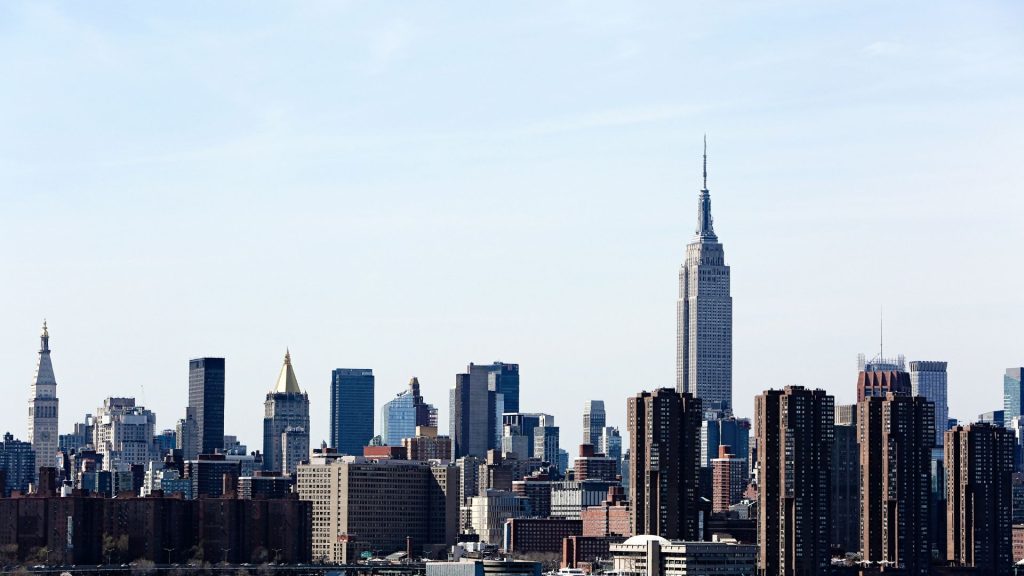
After years of debates, failed bills, and growing public pressure, the United States is finally moving closer to passing a comprehensive federal data privacy law. Lawmakers from both parties have reached a preliminary agreement on a bill that could reshape how tech companies collect, store, and use personal data across the country — a move that many privacy advocates are calling long overdue.
If passed, the bill — currently titled the American Data Privacy and Protection Act (ADPPA) — would establish nationwide standards for data collection, giving consumers more control over their information, and placing stricter limitations on what companies can do with user data.
What’s in the Bill?
The proposed legislation includes several key protections for consumers:
- Clear consent requirements for data collection
- The right to access, correct, or delete personal data
- Opt-out options for targeted advertising
- Limits on how long companies can retain user data
- Stronger protections for children and teens under 17
Importantly, it would override many state-level privacy laws, creating a single federal standard to reduce confusion and inconsistency — especially for businesses operating nationwide.
Why Now?
The push comes amid rising public concern over data privacy, fueled by everything from social media tracking and AI tools, to the widespread use of facial recognition and biometric data. Scandals like the Meta/Cambridge Analytica case, AI-generated deepfakes, and breaches involving healthcare data have made it clear: Americans want more control over their digital footprint.
Recent surveys show:
- 83% of Americans feel they have little to no control over how companies use their data
- 70% support stricter government regulation of tech platforms
- 56% believe the U.S. is behind Europe and other countries on digital privacy rights
Who’s Supporting It?
The bill has bipartisan sponsorship and support from several key Senate and House committees. Both Democrats and Republicans are framing it as a consumer rights issue, though debates continue around enforcement, penalties, and how much leeway to give tech companies.
Tech giants like Apple and Microsoft have shown cautious support, hoping a federal law will replace the patchwork of state laws like California’s CCPA and Illinois’ Biometric Information Privacy Act (BIPA). Others, like Meta and Google, are lobbying for softer restrictions, especially when it comes to data used for ads.
What Happens Next?
The ADPPA is expected to go to a full vote in early 2026. If passed, it could take effect by mid to late 2027, with a transition period for companies to comply.
Still, watchdog groups are pushing for:
- Tighter enforcement mechanisms
- Clear penalties for violations
- Stronger protections against AI misuse and algorithmic bias
Bottom Line: Why It Matters
Whether you’re scrolling TikTok, shopping online, or using a smart speaker at home, your personal data is constantly being collected and analyzed. A federal data privacy law would finally give you legal rights and tools to protect that information.
This bill won’t fix everything — but it’s a major step toward putting power back in the hands of the people, not the platforms.
Picture this: no honking cars, no rush-hour gridlock, no endless searches for parking. Just walkable streets, bike lanes, green spaces, and electric shuttles quietly moving people around. Sounds like a European thing, right?
Not anymore.
As we head into 2026, more U.S. cities are launching car-free zones, pedestrian-first projects, and permanent street closures to make urban life cleaner, calmer, and more climate-friendly. What started as temporary measures during the COVID-19 pandemic has become a movement — and Americans are responding with surprising enthusiasm.
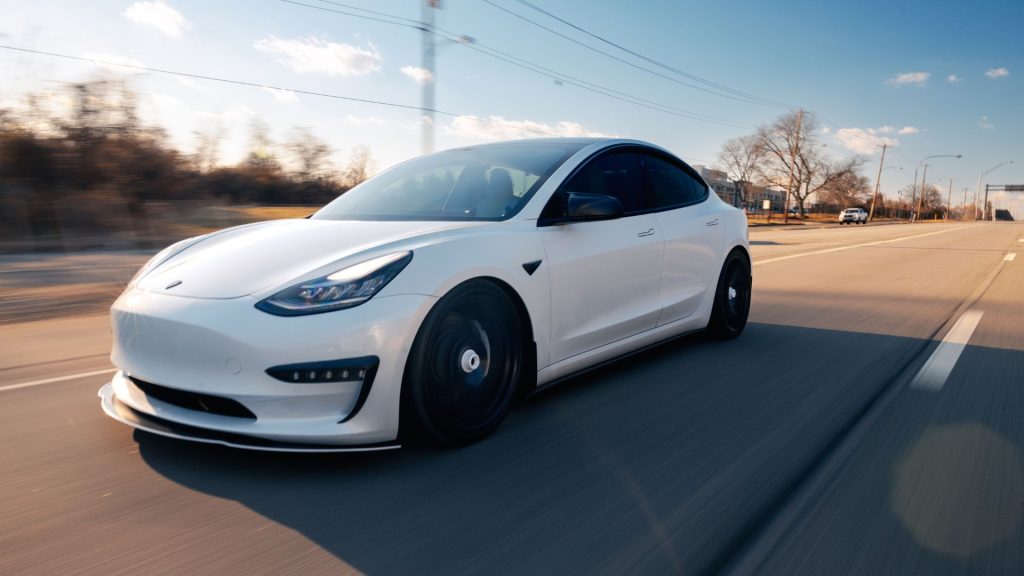
🚶 Why Cities Are Saying “Bye” to Cars (At Least in Some Areas)
Let’s break it down:
- Climate change: Cars are a major source of emissions. Cutting vehicle traffic, especially in downtown cores, helps meet local and national climate goals.
- Public health: Less pollution = fewer respiratory issues. Plus, walkable areas encourage movement.
- Economic recovery: Pedestrian zones have brought life back to small businesses, cafes, and local shops.
- Safety: Fewer cars = fewer accidents, period.
People are walking, biking, using scooters, and hopping on electric shuttles — and they’re realizing they kind of love it.
🗺️ Which Cities Are Going Car-Free in 2026?
Here are some of the most ambitious projects happening across the U.S. right now:
New York City
- By late 2025, NYC expanded its Open Streets program, permanently closing parts of Broadway, Fifth Avenue, and sections of the Financial District to regular car traffic.
- In 2026, expect a full “Midtown Mobility Zone”, prioritizing buses, bikes, and pedestrians over private vehicles.
San Francisco
- The city that gave us the original “Slow Streets” is now turning parts of Market Street and surrounding blocks into transit-only zones, with added green spaces and public art.
Chicago
- State Street is being reimagined as a car-free cultural corridor, connecting museums, performance spaces, and open markets.
Austin, TX
- A pilot project in South Congress is removing cars on weekends — and locals want to make it permanent.
Seattle
- Already ahead of the curve, Seattle is turning parts of Capitol Hill and Pike Place Market into people-only areas, citing environmental impact and community support.
🚲 What’s Replacing the Car?
Don’t worry — these cities aren’t banning vehicles everywhere. It’s about rethinking mobility, not making life harder.
Expect to see:
- Electric buses and micro-shuttles with priority lanes
- Bike- and scooter-sharing stations on every block
- Automated delivery bots for food and packages
- More green space replacing street parking
In some cities, personal cars can still enter zones during limited hours, or with special permits for residents, seniors, and people with disabilities.
📉 Is It Working?
Early results are promising:
- In New York’s pedestrian zones, foot traffic is up 34%, and local businesses report double-digit sales growth.
- San Francisco’s car-free areas show lower air pollution, even during peak hours.
- Surveys show 65% of residents in car-free zones want them to stay permanent.
Plus, cities report lower maintenance costs — less traffic means less wear and tear on roads and fewer traffic accidents to manage.
🤔 The Pushback Is Real, Too
Not everyone’s thrilled. Critics say:
- It’s hard for rideshare and delivery drivers
- Low-income residents might have fewer transport options
- Public transit needs major upgrades to handle increased demand
- Some fear small businesses outside pedestrian zones may lose foot traffic
City planners say they’re listening — and are working to balance accessibility with sustainability. Many are also investing in affordable e-bike programs and expanded public transit options.
🌍 What This Means Long-Term
Car-free city centers may seem radical in the U.S., but they’re the norm in parts of Europe and Asia. And with growing public support, federal funding, and climate pressure, American cities are finally catching up.
By 2030, experts predict:
- Over 25 major U.S. cities will have permanent car-free zones
- Up to 20% of urban trips will be made by bike or foot
- “15-minute cities” — where everything you need is a short walk away — will be common
Final Thoughts: The Future Feels (Surprisingly) Walkable
The car won’t disappear anytime soon. But the idea of cities built for people, not traffic, is no longer a fantasy — it’s happening right now.
Whether you love your wheels or dream of car-free living, one thing’s for sure:
By 2026, America’s streets are changing — and for many, it’s a breath of fresh air.
Let’s be real—most fall fashion kinda looks the same every year. Oversized knits, pumpkin-colored coats, another plaid scarf, rinse and repeat. But then there’s Arugula Tango—a brand that always plays by its own rules. Their new Fall Collection just dropped, and it’s honestly one of the Best things to come out of indie fashion this year.
This isn’t just “here’s your fall sweater, now go” energy. It’s curated. Textural. A little moody in the best way. Think rich earth tones, structured layers, vintage-inspired silhouettes, and the kind of details only true style nerds catch.

Why Everyone’s Buzzing About Arugula Tango This Fall
Arugula Tango’s vibe is artsy without trying, ethical without being preachy, and designed for people who don’t want to look like everyone else on the sidewalk. Their fall drop feels like a love letter to transitional dressing—pieces that move with you from warm autumn afternoons into chilly nights.
Here’s what makes it pop:
🌿 The Vibe: Earthy, Textured, Totally Wearable
We’re talking heavy cottons, raw hems, soft wool blends, and touches of linen—like your favorite vintage coat and a modern Japanese wrap jacket had a baby.
- Natural fibers you’ll actually want on your skin
- Layer-friendly cuts that don’t sacrifice shape
- Colors that hit: muted mustard, olive, charcoal, burnt clay, and that deep midnight blue you can’t find anywhere else
🧥 Key Pieces to Watch For
1. The Artist Jacket
A mid-weight coat with an off-kilter button line and just enough structure to make it smart. Perfect over literally everything.
2. The Asymmetrical Knit Vest
Sits just right, makes a tee or dress instantly look cooler. Kinda like something a Parisian florist would wear while building the Best bouquet you’ve ever seen.
3. The “No Buttons” Coat
Ties like a robe, feels like a hug. Looks better than anything you’ll find in a department store.
🎨 Fashion for Creatives (Even If You’re Not One)
There’s something about this collection that screams creative energy. Whether you’re a visual artist, a musician, or just someone who likes your clothes to feel intentional, you’ll get it.
Pair it with:
- Chunky boots
- A statement tote
- Minimalist jewelry
- Maybe a bouquet of Best locally grown flowers from your neighborhood florist—because yes, that’s a vibe too
👗 Who This Drop is For
- Anyone sick of fast fashion
- Folks who want ethically made, small-batch clothes
- People who love the “I just threw this on but I look amazing” aesthetic
- Fall romantics who still romanticize crunchy leaves, foggy mornings, and bookstore dates
Florals? Groundbreaking — In the Best Way
Look, florals for fall can actually work—when you do it right. Arugula Tango nails it with subtle, faded floral prints in their soft accessories and lining details. Nothing loud or cliché—just small nods to nature, like you’re wearing a memory of the garden, not a garden party tablecloth.
It’s the kind of look that goes perfectly with a stop at your favorite local flower shop, maybe picking up one of the Best handmade bouquets filled with eucalyptus, wild berries, and moody blooms. Yes, Arugula Tango is fashion—but it’s also a whole lifestyle aesthetic.
🌎 Sustainable, Small-Batch, and Beautiful
This isn’t throwaway fashion. Arugula Tango works in limited runs, meaning when a piece sells out—it’s gone. That makes their pieces feel even more special, and you’ll rarely bump into someone wearing the same thing.
They focus on:
- Ethical production
- Natural dyes
- Slow fashion principles
- Pieces that last beyond trends
Basically, it’s for people who want to wear their values and still look 🔥 doing it.
Where to Shop the Collection
All pieces are available now through their official site:
👉 Arugula Tango Fall Collection
But like we said—quantities are limited. So if something speaks to you, grab it while you can. These aren’t restocked every week like fast fashion chains.
Final Thoughts: A Fall Drop Worth Falling For
In a sea of beige basics and trend-chasing chaos, Arugula Tango’s fall collection feels intentional, thoughtful, and personal. It’s made for real people with real lives who want to look great without losing soul.
From tailored but cozy jackets, to creative knitwear, to that perfect asymmetrical piece you’ll wear a hundred different ways—this is the kind of collection that’ll stick with you for seasons.
So go ahead. Light the candle. Brew the coffee. Put on that vest.
Fall has officially started.