





For years, professional photography has been the foundation of property marketing. Great photos remain essential, but buyer behaviour is changing.
Today’s buyers spend more time watching video content than ever before. They consume information through Instagram Reels, TikTok, YouTube Shorts, and social media feeds throughout the day. As a result, they increasingly expect the same experience when searching for a property.
This shift is changing how trust is built in real estate.
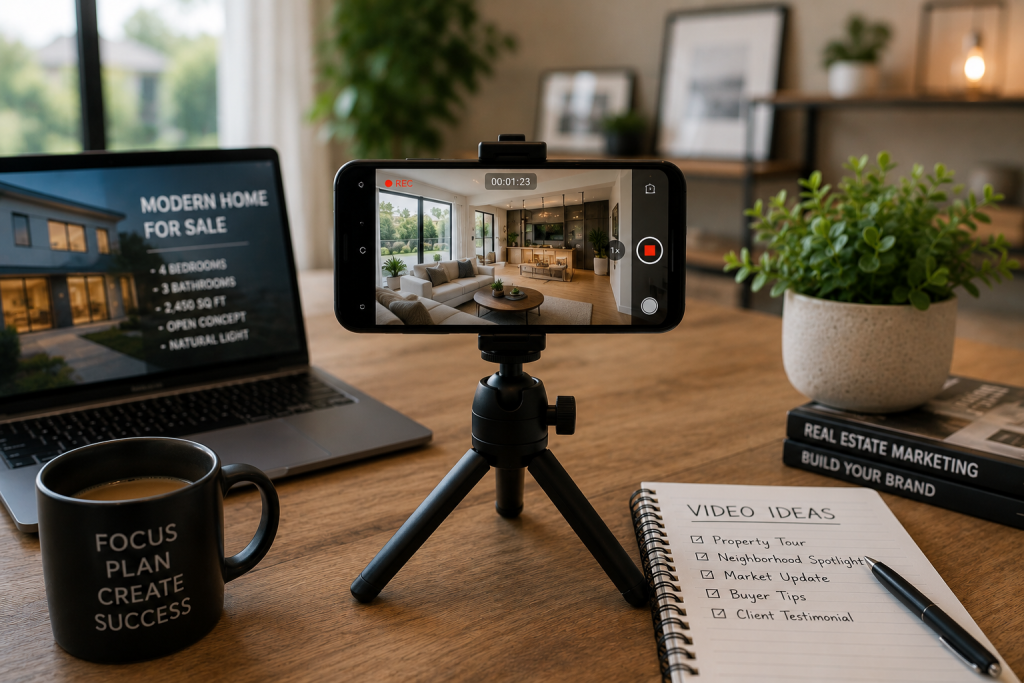
Photos Show. Video Explains.
A photograph captures a single moment.
A video tells a story.
While photos can showcase beautiful rooms and attractive design, they often leave questions unanswered:
- How do the rooms connect?
- What does the property feel like when moving through it?
- How much natural light enters throughout the space?
- What makes this home different from similar listings?
Video helps answer these questions naturally.
Instead of imagining the layout, buyers can experience it.
People Trust What Feels Real
One reason video performs so well is because it feels more authentic.
Photos can sometimes appear heavily edited or staged. Video creates a stronger sense of transparency.
Buyers can see:
- Room proportions
- Property flow
- Outdoor spaces
- Views from windows
- Natural movement throughout the home
This additional context reduces uncertainty and increases confidence.
The Human Connection Matters
Properties are important.
But people often choose agents before they choose homes.
When agents appear on camera, explain features, provide market insights, or guide viewers through a property, they create a personal connection that photos cannot achieve.
Buyers begin to feel familiar with the person behind the listing.
Trust often starts there.
Video Creates Emotional Engagement
Most property decisions are not purely logical.
People imagine:
- Family dinners
- Relaxing weekends
- Entertaining friends
- Morning coffee on the terrace
- Future memories
Video helps bring those possibilities to life.
Movement, pacing, music, and storytelling can transform a property from a listing into an experience.
Social Media Has Changed Expectations
Modern buyers discover properties everywhere.
Many first encounter homes through:
- TikTok
- YouTube
On these platforms, video naturally receives more attention than static images.
As competition grows, agents who embrace video often gain a significant advantage in visibility and engagement.
Consistency Beats Expensive Production
Many agents believe they need expensive equipment to create effective videos.
The reality is often much simpler.
Today’s smartphones are capable of producing excellent video content, especially when combined with the right tools and workflow.
Platforms like Momenzo help agents create professional property videos, branded content, social media clips, and listing presentations directly from their phones, making video marketing more accessible than ever.
The Future of Property Marketing
Video is no longer a bonus feature.
It is becoming a standard expectation.
Buyers want more information, more transparency, and a better understanding of properties before scheduling a viewing.
Video delivers all three.
Final Thoughts
Photos will always play an important role in real estate marketing, but video provides something they cannot: context, personality, and trust.
As buyer expectations continue to evolve, agents who use video effectively will be better positioned to attract attention, build credibility, and create stronger connections with potential clients.
The marketing industry in the Netherlands works differently compared to many other countries in Europe. Dutch consumers are practical, highly informed, digitally connected, and honestly pretty difficult to impress with traditional advertising tricks. If a company sounds fake, overly dramatic, or too aggressive, people notice immediately.
That’s one reason marketing in the Netherlands became so interesting over the last decade. Brands there learned that flashy promises don’t work nearly as well as authenticity, transparency, and smart communication.
The country also has one of the strongest digital infrastructures in Europe. People shop online constantly, compare products carefully, and spend huge amounts of time on social media and search engines before making purchasing decisions. Businesses need strong online visibility just to stay competitive.
At the same time, Dutch culture values simplicity and directness. Consumers usually prefer brands that communicate clearly instead of trying too hard to sound luxurious or emotional. Marketing campaigns that feel honest and slightly self-aware often perform much better than overly polished corporate advertising.
Another factor shaping the Dutch market is international influence. Cities like Amsterdam, Rotterdam, Utrecht, and Eindhoven attract global startups, tech companies, creative agencies, and remote workers from all over the world. That international energy pushes trends to move quickly across the country.

Dutch Consumers Prefer Honest Communication
One thing international businesses quickly learn in the Netherlands is that people appreciate honesty more than hard-selling tactics.
Dutch consumers generally dislike:
- Overhyped advertising
- Fake urgency
- Exaggerated promises
- Pushy sales language
- Corporate jargon
Instead, they respond better to communication that feels:
| Communication Style | Why It Works |
| Direct | Matches Dutch culture |
| Transparent | Builds trust |
| Informative | Consumers research heavily |
| Humble | Feels authentic |
| Practical | Focus on real value |
This doesn’t mean marketing has to feel boring. Dutch campaigns can actually become very creative, especially when humor or smart storytelling gets involved. But there’s usually a grounded realism behind successful branding.
People in the Netherlands often want to understand exactly what they’re buying without unnecessary marketing drama.
Digital Marketing Dominates the Dutch Business World
The Netherlands has one of Europe’s strongest digital economies, so naturally digital marketing sits at the center of most business strategies.
Companies invest heavily in:
- SEO
- Social media
- Paid advertising
- Email marketing
- Content creation
- Influencer partnerships
Online shopping is deeply integrated into everyday life, and Dutch consumers compare products carefully before spending money.
The most important marketing platforms include:
| Platform | Popularity |
| Google Search | Extremely high |
| Very popular | |
| Strong business usage | |
| TikTok | Rapid growth |
| YouTube | High engagement |
SEO is especially important because Dutch customers often search extensively online before making decisions. Businesses that appear high in Google search results gain major trust advantages.
At the same time, paid advertising became more competitive and expensive in recent years. Many brands now focus more on long-term content strategies and organic audience building.
Sustainability Strongly Influences Marketing
Sustainability became one of the biggest forces shaping consumer behavior in the Netherlands. Many Dutch consumers care deeply about environmental issues and increasingly support businesses that align with sustainable values.
Brands now actively promote:
- Eco-friendly packaging
- Local sourcing
- Ethical production
- Carbon reduction
- Sustainable logistics
But there’s an important catch — Dutch audiences are highly skeptical about fake sustainability claims.
Greenwashing usually gets criticized quickly online. Consumers expect actual proof behind environmental messaging instead of vague “eco-friendly” branding.
Because of this, many companies now share detailed sustainability reports and measurable goals instead of relying only on emotional marketing language.
Social Media Feels More Authentic Here
Social media marketing in the Netherlands often feels slightly less polished compared to some American-style branding. Audiences respond strongly to brands that appear human, approachable, and realistic.
Popular content styles include:
- Behind-the-scenes moments
- Educational videos
- Humor
- Honest storytelling
- Interactive content
- Community engagement
Influencer marketing still performs very well, but Dutch audiences usually trust creators who feel authentic rather than overly commercial.
Micro-influencers became especially important because smaller communities often generate stronger trust levels than massive celebrity-style accounts.
A creator recommending products naturally usually performs far better than highly scripted sponsorship content.
Amsterdam Became a European Marketing Hub
Amsterdam plays a massive role in Europe’s creative and digital marketing industries. The city attracts startups, tech companies, advertising agencies, creators, and entrepreneurs from around the world.
Several factors make Amsterdam attractive for marketing businesses:
- Strong English proficiency
- International workforce
- Startup ecosystem
- Creative culture
- Tech infrastructure
Many global campaigns are now developed partly inside Amsterdam because the city blends European accessibility with strong international influence.
The Netherlands also became heavily connected to technology-driven marketing, especially in industries like:
- Fintech
- SaaS
- E-commerce
- AI services
- Sustainable startups
Data-driven marketing and automation tools play huge roles inside modern Dutch businesses.
E-Commerce Changed Consumer Expectations
Online shopping completely reshaped marketing strategies across the Netherlands. Consumers now expect smooth digital experiences from almost every business.
People expect:
| Consumer Expectation | Why It Matters |
| Fast website speed | Users leave quickly otherwise |
| Mobile optimization | Heavy smartphone usage |
| Clear pricing | Dutch consumers value transparency |
| Easy returns | Builds trust |
| Fast delivery | Standard expectation |
Reviews also became incredibly important. Many Dutch consumers carefully read customer feedback before buying products online.
Because of this, reputation management and customer experience became major parts of modern marketing strategies.
Humor Works Surprisingly Well
Dutch marketing often uses humor effectively, especially humor that feels slightly dry, intelligent, or self-aware.
Brands sometimes intentionally avoid sounding “too perfect” because authenticity performs better than polished corporate messaging.
Funny campaigns often include:
- Everyday realism
- Cultural jokes
- Mild sarcasm
- Self-awareness
- Honest imperfections
This style helps brands feel more relatable and trustworthy.
At the same time, Dutch audiences can quickly recognize forced humor or fake internet trends, so marketers need strong cultural awareness.
Data Privacy Became a Serious Marketing Issue
Like much of Europe, the Netherlands operates under strict privacy regulations. Consumers care strongly about how companies collect and use personal data online.
Businesses now need transparency around:
- Cookies
- Email collection
- Ad targeting
- Customer tracking
- Data storage
Privacy concerns changed how digital marketing works significantly over the last few years.
Permission-based marketing became more important because consumers expect more control over their online information.
Email marketing still works well, but only when audiences genuinely choose to engage with content.
Video Content Keeps Growing Fast
Video marketing became one of the fastest-growing areas in Dutch digital marketing.
Consumers increasingly prefer:
- Short tutorials
- Product demos
- Founder stories
- Educational explainers
- Lifestyle videos
- Quick entertainment clips
TikTok, Instagram Reels, and YouTube Shorts heavily influence younger audiences especially.
Interestingly, highly polished videos don’t always perform best. Sometimes casual smartphone content feels more authentic and relatable, which actually increases engagement.
Brands now produce ongoing content instead of relying only on large advertising campaigns.
The Future of Marketing in the Netherlands
The Dutch marketing industry continues evolving quickly as technology and consumer behavior shift together.
Several major trends are shaping the future:
| Trend | Industry Impact |
| AI-powered marketing | Faster personalization |
| Sustainability branding | Higher consumer expectations |
| Creator economy growth | More influencer partnerships |
| Short-form video | Stronger engagement |
| Privacy-focused advertising | Greater transparency |
Despite all the technology changes, one thing remains consistent: Dutch consumers still value honesty, practicality, and authenticity more than empty hype.
Businesses that truly understand local culture usually outperform companies blindly copying international marketing trends.
Conclusion
Marketing in the Netherlands blends digital innovation with a highly practical consumer culture. Dutch audiences are deeply connected online, but they also value transparency, simplicity, and authenticity far more than flashy advertising alone.
Digital marketing dominates nearly every industry, especially SEO, social media, content creation, and e-commerce strategies. At the same time, sustainability, data privacy, and customer trust increasingly shape how brands communicate with consumers.
The Dutch market may be smaller than some global economies, but it remains one of Europe’s most modern, creative, and digitally advanced business environments.
Tenerife isn’t one of those places people visit once and forget about. The island has a strange way of pulling people back again and again. Some tourists come for a simple beach vacation, then suddenly start talking about moving there permanently after one week. That happens a lot more often than you’d think.
The biggest Canary Island combines warm weather, volcanic landscapes, ocean views, nightlife, mountain villages, beach culture, and relaxed living all in one place. It doesn’t feel exactly like mainland Spain, but it also doesn’t feel completely tropical either. Tenerife kind of creates its own atmosphere somewhere in the middle.
Tourism drives most of the local economy, and honestly, the island lives through visitors year-round. Unlike many European beach destinations that slow down heavily after summer, Tenerife stays active almost every season because of its climate. Even during winter, tourists walk around in T-shirts while most of northern Europe freezes.
That year-round tourism changes the energy completely. Restaurants stay busy longer, beach areas remain lively, and outdoor life never really disappears. The island constantly mixes short-term vacationers, long-term expats, digital nomads, surfers, retirees, and locals into one giant social ecosystem.
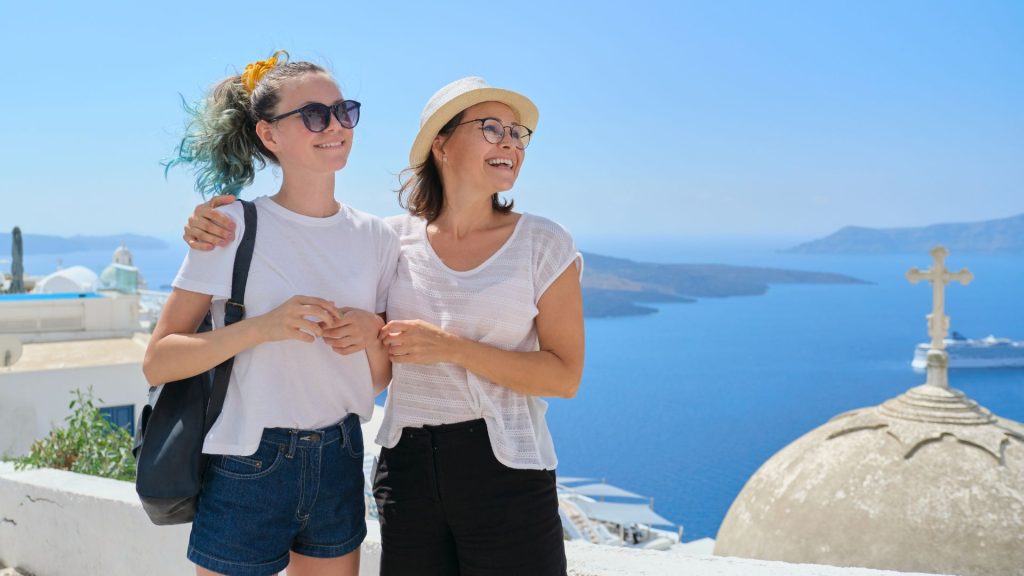
The Beaches All Feel Completely Different
One thing that surprises tourists is how different Tenerife’s beaches are depending on where you go. Some coastlines feel luxurious and polished with calm water and beach lounges, while others feel raw, volcanic, and almost wild.
Southern Tenerife usually attracts visitors searching for classic sunshine vacations because the weather stays hotter and drier there most of the year. Northern areas feel greener, more local, and less focused on mass tourism.
Popular beach experiences include:
- Black volcanic sand beaches
- Hidden rocky coves
- Surf beaches with stronger waves
- Calm family-friendly coastlines
- Luxury beach clubs
- Quiet sunset spots
The ocean shapes daily life heavily. Even people who don’t swim spend hours near the water simply because the atmosphere feels relaxing. Long beach walks, outdoor cafés, sunset dinners, and seaside nightlife all become part of the vacation experience.
Restaurant Culture Is a Huge Part of Tenerife Life
Food becomes one of the most memorable parts of visiting Tenerife. Tourists often expect basic resort-style dining and end up discovering a much more interesting restaurant scene than expected.
The island’s food culture blends several influences together:
| Food Style | Common Experience |
| Traditional Canary cuisine | Local flavors |
| Fresh seafood | Coastal dining culture |
| Mediterranean food | Light outdoor meals |
| International comfort food | Tourist demand |
| Healthy café culture | Modern lifestyle trends |
Restaurants on the island often focus heavily on atmosphere. Outdoor dining matters a lot because the weather allows people to eat outside almost year-round.
Fresh seafood naturally dominates many menus. Grilled fish, octopus, shrimp, seafood rice dishes, and local sauces appear everywhere near the coast. At the same time, international visitors also created huge demand for global cuisines and modern brunch culture.
One interesting thing about Tenerife dining is how social it feels. Meals usually last longer. People sit outside talking for hours while the ocean breeze moves through restaurant terraces.
Sunset Dinners Became Part of the Tourism Experience
Honestly, sunsets in Tenerife almost look unreal sometimes. The sky turns orange, purple, pink, and gold over the Atlantic Ocean while volcanic mountains create dramatic silhouettes in the background.
Restaurants fully use this to their advantage.
A huge part of restaurant culture revolves around sunset dining. Coastal terraces and rooftops fill up quickly in the evening because visitors want more than just food — they want the atmosphere too.
Popular dining settings include:
- Oceanfront terraces
- Rooftop restaurants
- Cliffside seating
- Beach lounges
- Open-air cocktail bars
Tourists increasingly choose restaurants based on experience and scenery instead of only menus. People want photos, memories, sunsets, music, and emotional moments connected to meals.
That experience-driven tourism changed the island’s restaurant industry massively over the last decade.
Local Food Feels Simple but Fresh
Traditional Tenerife cuisine isn’t usually complicated or overly fancy. What makes it good is freshness and simplicity.
Local favorites often include:
- Small salted potatoes
- Spicy local sauces
- Fresh grilled seafood
- Slow-cooked meats
- Tropical fruits
- Local cheeses
Ingredients matter more than heavy sauces or complicated techniques.
Many visitors specifically search for smaller local restaurants because they want something authentic instead of generic tourist menus designed only for fast turnover.
The cool part is that Tenerife still has places where food feels connected to local culture rather than purely built for tourism.
Tourism Changed the Restaurant Scene Fast
Over the years, tourism transformed restaurant culture heavily. As international visitors increased, restaurants adapted quickly to different customer expectations.
Now you’ll find demand for:
| Modern Restaurant Trend | Why It’s Growing |
| Vegan menus | Health-conscious tourists |
| Specialty coffee cafés | Remote workers |
| Healthy brunch culture | Social media influence |
| Luxury tasting menus | Premium tourism |
| Outdoor dining spaces | Climate advantage |
Instagram especially changed how restaurants design spaces. Presentation matters massively now because visitors constantly post food, cocktails, interiors, and sunsets online.
Restaurants increasingly focus on:
- Stylish interiors
- Ocean-view seating
- Aesthetic plating
- Tropical cocktails
- Ambient lighting
Food became deeply connected to visual tourism culture.
Digital Nomads Changed Café Culture
One unexpected shift came from remote workers moving temporarily to Tenerife. The island became very popular among freelancers and digital nomads who wanted warm weather without leaving Europe completely.
As a result, cafés evolved quickly.
Many places now include:
- Strong Wi-Fi
- Laptop-friendly seating
- Healthy menus
- Long-stay comfort
- Outdoor workspaces
Brunch culture exploded because remote workers spend long mornings working from cafés near the ocean.
Smoothie bowls, fresh juices, specialty coffee, and light Mediterranean breakfasts became especially popular in tourist-heavy areas.
This younger international crowd also pushed restaurants toward more modern aesthetics and social media visibility.
Nightlife and Dining Blend Together
In Tenerife, evenings rarely end right after dinner. Restaurant culture naturally flows into nightlife because warm temperatures keep people outside late into the night.
People often move from:
- Dinner
- Cocktails
- Rooftop lounges
- Beach bars
- Live music venues
Some areas focus more on relaxed nightlife with ocean views and chill music, while others attract louder party tourism and crowded nightlife scenes.
That variety helps Tenerife attract different travel styles at the same time. Families, couples, backpackers, luxury tourists, and digital nomads can all find environments matching their vibe.
Nature Is Always Part of the Experience
One thing that makes Tenerife tourism unique is how nature constantly stays visible no matter where you are. Even during restaurant dinners or nightlife, volcanic landscapes and ocean views remain part of the atmosphere.
You’re surrounded by:
- Mountains
- Palm trees
- Lava cliffs
- Atlantic sunsets
- Star-filled skies
- Tropical plants
Restaurants often design terraces specifically around maximizing views because scenery itself becomes part of the product.
This natural environment affects how vacations feel emotionally. People slow down more. Meals last longer. Stress drops faster.
Tourism Also Brings Challenges
Even though tourism keeps the economy strong, it also creates pressure on the island. Rising visitor numbers increased concerns around:
- Housing costs
- Overcrowding
- Environmental impact
- Traffic
- Water usage
Locals sometimes worry about preserving authentic island culture while tourism keeps expanding.
Restaurants also face pressure balancing tourist expectations with maintaining local identity. Some businesses lean heavily into international trends, while others focus more on protecting traditional Canary food culture.
Why People Keep Returning to Tenerife
A lot of destinations feel exciting once but don’t necessarily create emotional attachment. Tenerife works differently.
The island combines:
| Tenerife Advantage | Visitor Experience |
| Year-round warmth | Constant outdoor life |
| Relaxed atmosphere | Lower stress |
| Food culture | Social lifestyle |
| Nature | Scenic surroundings |
| International vibe | Diverse experiences |
People don’t just remember the beaches or restaurants. They remember how daily life felt there.
Long outdoor dinners, warm evenings near the ocean, relaxed mornings with coffee, and slower daily rhythms create an emotional connection many tourists miss after returning home.
Conclusion
Tenerife offers much more than a simple beach vacation. The island blends tourism, restaurant culture, outdoor living, nature, and international energy into a lifestyle that feels relaxed but still exciting.
Restaurants play a huge role in shaping that experience. Dining in Tenerife becomes social, scenic, and emotional rather than rushed or purely functional. Fresh seafood, outdoor terraces, sunset views, and local flavors all contribute to the atmosphere visitors remember most.
Whether someone comes for beaches, nightlife, food, or simply a break from stressful city life, Tenerife has a way of making people slow down and enjoy life differently for a while.
The birthday photography business in Philadelphia has become way bigger than most people expect. Years ago, birthday photos usually meant a few snapshots during a party or maybe a simple portrait with balloons. Now? Entire studio sessions are built around birthdays, especially for kids, babies, and milestone celebrations. Parents today want professional photos that feel creative, emotional, stylish, and honestly social-media ready.
Philadelphia became a strong market for birthday studio photography because families in the city and surrounding suburbs increasingly treat milestone photos as part of modern parenting culture. Birthdays aren’t just private family moments anymore. They became visual events people share online, print into albums, and use for invitations, decorations, and memories that last for years.
At the same time, birthday photography in Philly has evolved far beyond basic backdrops and generic props. Modern clients expect custom themes, luxury styling, creative lighting, and polished editing. Social media changed expectations completely. Parents often arrive with Pinterest boards, TikTok trends, and Instagram inspiration already planned out before the session even starts.
What makes this niche interesting is that it blends family photography, event culture, child psychology, styling, and entertainment all together. A birthday photographer honestly becomes part artist, part planner, and part chaos manager — especially when toddlers are involved.

Studio Birthday Sessions Became Extremely Popular
Studio birthday sessions exploded in popularity because they offer families a controlled, stress-free environment. Philadelphia weather can be unpredictable, and parents usually don’t want to gamble outdoor birthday shoots on rain, extreme heat, or freezing temperatures.
A studio setup allows photographers full control over:
- Lighting
- Decorations
- Themes
- Timing
- Comfort
- Backgrounds
That controlled environment matters especially for younger kids who may get distracted, tired, or overstimulated during outdoor sessions.
Philadelphia studios now often specialize in birthday-specific setups like:
| Birthday Session Type | Popularity |
| Cake smash sessions | Extremely high |
| First birthday portraits | Huge demand |
| Luxury themed setups | Growing fast |
| Balloon installations | Very popular |
| Minimalist milestone shoots | Trendy |
| Family birthday portraits | Increasing |
Modern birthday studios look much more stylish now compared to older portrait studios. Neutral tones, soft textures, luxury props, modern furniture, and clean aesthetics dominate current trends.
Parents increasingly prefer timeless setups instead of overly cartoonish themes because they want photos that still look beautiful years later.
First Birthdays Became a Massive Industry
Honestly, first birthday photography became its own entire business category. Parents go all out for turning one. Cake smash sessions especially dominate studio birthday photography across Philadelphia.
The idea sounds simple — a baby, a cake, and cute photos — but modern sessions became surprisingly elaborate.
Many studios now include:
- Custom backdrops
- Balloon garlands
- Matching outfits
- Luxury props
- Professional cakes
- Family portraits
Some sessions even look closer to magazine shoots than children’s photography.
Social media plays a huge role in this trend because first birthdays became major online milestones. Parents want polished images for invitations, party decor, Instagram posts, and keepsake albums.
Cake smash photography also works well emotionally because babies naturally create unpredictable moments. Frosting-covered faces, messy hands, laughter, confusion — those real reactions often produce the strongest images.
Parents Want Experiences, Not Just Photos
One huge shift in the Philadelphia photography market is that families no longer pay only for photos themselves. They pay for the experience surrounding the session.
Parents expect photographers to provide:
- Theme planning
- Styling guidance
- Outfit coordination
- Comfortable studio spaces
- Child-friendly environments
- Fast communication
Luxury birthday photographers especially focus heavily on client experience from start to finish.
Some studios now include:
| Luxury Studio Feature | Why Clients Love It |
| Parent lounges | Comfort during sessions |
| Custom set design | Personalization |
| Wardrobe access | Easier styling |
| Snack stations | Child-friendly atmosphere |
| Professional editing | Polished final look |
Philadelphia parents, especially in suburban family-heavy areas, increasingly value businesses that make sessions feel organized and stress-free.
Social Media Completely Changed Birthday Photography
Instagram and TikTok transformed birthday photography in a massive way. Parents now discover photographers visually before ever reading reviews or pricing details.
A photographer’s social media feed acts like a digital storefront. Clients instantly judge:
- Editing style
- Creativity
- Luxury level
- Studio quality
- Theme design
Popular birthday photography trends right now include:
- Neutral luxury aesthetics
- Earth-tone color palettes
- Minimalist backgrounds
- Balloon arches
- Soft cinematic lighting
- Editorial-style posing
TikTok also created viral trends around birthday themes and setup transformations. Behind-the-scenes videos showing studios creating elaborate birthday sets often attract huge engagement online.
Philadelphia photographers who consistently create visual content usually gain stronger visibility than studios relying only on local referrals.
Kids Make Every Session Unpredictable
One thing people underestimate about birthday photography — kids rarely cooperate perfectly. Especially toddlers.
Photographers constantly adapt to:
- Mood swings
- Short attention spans
- Crying
- Sugar crashes
- Hyperactivity
- Shyness
The best birthday photographers honestly develop strong people skills alongside technical photography abilities.
Many photographers now focus less on forcing perfect poses and more on capturing authentic reactions and movement. Real laughter, curiosity, messy cake moments, sibling chaos — those natural interactions usually create the most emotional photos.
Parents often end up loving imperfect moments even more than perfectly posed portraits.
Styling Became a Huge Part of the Business
Modern birthday photography is deeply connected to styling now. Coordinated outfits, matching decorations, color palettes, and themed props all shape the final visual experience.
Many Philadelphia studios help clients with:
- Outfit recommendations
- Color coordination
- Theme concepts
- Prop selection
- Balloon design
Neutral luxury aesthetics became especially trendy because they photograph softly and feel timeless online.
Some photographers invest heavily into studio prop collections including:
- Designer chairs
- Balloon installations
- Faux cakes
- Textured backdrops
- Vintage props
- Seasonal setups
The visual identity of the studio itself often becomes part of the brand’s success online.
Editing Style Matters More Than Ever
Editing became one of the biggest factors separating birthday photographers in Philly’s crowded market.
Current trends lean heavily toward:
- Warm skin tones
- Soft contrast
- Natural retouching
- Bright clean backgrounds
- Film-inspired color grading
Parents increasingly prefer images that feel polished but still authentic.
At the same time, birthday sessions often require detailed editing because kids move constantly, props shift around, and cake smash setups become messy fast.
A single birthday gallery may require hours of post-production work behind the scenes.
Repeat Clients Build Long-Term Businesses
One amazing part of birthday photography is how often it creates repeat family relationships.
Families who book one session frequently return for:
| Session Type | Common Timing |
| Newborn photos | Early infancy |
| Milestone sessions | Throughout first year |
| Annual birthday shoots | Every year |
| Holiday mini sessions | Seasonal |
| Family portraits | Ongoing |
Philadelphia families especially value consistency. Once parents trust a photographer with their children, they often stay loyal for years and recommend them heavily inside local parenting communities.
Word-of-mouth still drives huge amounts of business in this niche.
Studio Costs Keep Rising in Philadelphia
Running a birthday photography studio in Philadelphia became increasingly expensive. Rent, props, balloons, furniture, editing software, insurance, and marketing costs all continue rising.
Studios constantly redesign spaces because trends move quickly online. Parents notice immediately when setups feel outdated compared to competitors.
This creates pressure for photographers to continually invest in:
- New props
- Seasonal themes
- Updated interiors
- Better lighting
- Social media content
At the same time, premium pricing became more accepted because clients understand the level of customization and work involved.
The Future of Birthday Photography in Philly
The birthday photography industry in Philadelphia keeps evolving alongside parenting culture and social media trends.
Several trends are shaping the future:
| Trend | Industry Impact |
| Luxury minimalist setups | Higher-end branding |
| Video content integration | Hybrid packages |
| AI editing tools | Faster workflows |
| Custom experiences | Increased personalization |
| Social media marketing | Visual branding dominance |
Parents increasingly want birthday sessions that feel emotional, artistic, and unique instead of generic themed photoshoots.
Even with changing trends, the emotional core stays the same: families want to preserve fleeting childhood moments before kids grow up way too fast.
Conclusion
The birthday studio photography business in Philadelphia blends creativity, family culture, styling, and emotional storytelling into one rapidly growing niche. Modern clients expect much more than simple portraits — they want personalized experiences, stylish visuals, and memories that feel meaningful both online and offline.
Studio birthday photography became especially popular because it offers comfort, consistency, and creative flexibility for families with young children. At the same time, competition remains intense, pushing photographers to constantly improve branding, editing, set design, and customer experience.
At its core, birthday photography isn’t really about balloons or cake. It’s about freezing a tiny moment in time before childhood changes again.
Summer is honestly one of the busiest and most beautiful times for the flower business in Connecticut. Once the long New England winter finally disappears, everything changes fast. Gardens explode with color, wedding season reaches full speed, outdoor events fill every weekend, and customers suddenly start buying flowers for almost everything again.
In Connecticut, summer flowers aren’t just decoration. They become part of the entire lifestyle. You see floral arrangements at coastal weddings, backyard dinners, farmers markets, restaurants, beach houses, baby showers, and outdoor parties across the state. Florists usually describe summer as both exciting and slightly chaotic because demand increases almost everywhere at once.
One thing that makes Connecticut special is the mix of local farms, wealthy suburbs, coastal towns, and seasonal event culture. Customers care a lot about freshness and seasonality here. Many people specifically ask florists for flowers that feel natural, locally grown, and connected to the summer season instead of generic imported bouquets.
The overall aesthetic also shifts during warmer months. Heavy winter arrangements disappear and get replaced with softer textures, brighter colors, airy greenery, and more organic floral styles that fit Connecticut’s relaxed coastal atmosphere.
Local Summer Flowers Become the Stars of the Season
Summer is the best time for local flower farms across Connecticut. During colder months, florists rely heavily on imported flowers, but summer brings a huge wave of fresh seasonal blooms grown nearby.
Customers increasingly love buying local because flowers feel fresher, more sustainable, and honestly more unique than mass-imported arrangements.
Some of the most popular summer flowers in Connecticut include:
| Summer Flower | Peak Season |
| Dahlias | Mid to Late Summer |
| Sunflowers | Summer |
| Zinnias | Summer |
| Hydrangeas | Summer |
| Cosmos | Summer |
| Lisianthus | Summer |
| Snapdragons | Early Summer |
These flowers work especially well for Connecticut’s popular garden-style floral designs. People love arrangements that look slightly wild, textured, and natural rather than overly structured.
Hydrangeas are especially huge in coastal Connecticut because they match the New England summer aesthetic perfectly. You’ll see them everywhere near waterfront homes and summer events.
Wedding Season Changes Everything
Summer wedding season completely transforms the floral industry in Connecticut. Florists often make a huge percentage of their yearly revenue between late spring and early fall because weddings become nonstop during warmer months.
Outdoor venues become especially popular in summer, including:
- Vineyards
- Coastal estates
- Country clubs
- Garden venues
- Historic properties
- Backyard weddings
Summer flowers fit perfectly into these environments because they feel soft, romantic, and seasonal.
Couples in Connecticut currently love:
- Loose garden bouquets
- Soft pastel palettes
- White and green arrangements
- Wildflower-inspired designs
- Hanging floral installations
Pinterest and Instagram heavily influence wedding floral trends now. Brides usually arrive with inspiration boards already saved on their phones showing exactly what aesthetic they want.
At the same time, many Connecticut couples also care about local sourcing and sustainability, which increased demand for farm-grown summer flowers.
Farmers Markets Became Important for Florists
Summer farmers markets across Connecticut create major opportunities for flower growers and small florists. Local flowers attract customers who want something fresher and more personal compared to grocery-store bouquets.
Market bouquets usually focus on:
- Seasonal freshness
- Bright summer colors
- Natural wrapping
- Farm-to-table aesthetics
- Affordable pricing
Customers often buy flowers casually during summer while shopping for produce, bread, or local food. Flowers become part of the overall seasonal experience.
The cool part about Connecticut markets is that many shoppers genuinely appreciate craftsmanship and local businesses. Florists who build loyal market customers sometimes turn them into long-term wedding or event clients later.
Summer Color Trends Feel Lighter and Softer
Floral color palettes change dramatically during summer in Connecticut. Spring often leans pastel, while winter arrangements feel darker and richer. Summer sits somewhere in the middle with colors becoming brighter but still elegant.
Popular summer floral colors include:
- Soft peach
- Creamy white
- Pale blue
- Lavender
- Dusty pink
- Sunny yellow
Coastal influences shape these trends heavily. Connecticut’s beach towns and waterfront culture inspire florists to use airy palettes that feel relaxed and natural rather than overly dramatic.
Some luxury clients still prefer minimalist white-and-green arrangements because they look timeless and photograph beautifully during outdoor events.
Outdoor Events Drive Huge Demand
Summer in Connecticut basically turns into nonstop event season. Besides weddings, florists also handle flowers for:
| Summer Event Type | Floral Demand |
| Baby showers | Very high |
| Garden parties | Growing trend |
| Corporate events | Consistent |
| Graduation parties | Seasonal spike |
| Outdoor dinners | Popular |
Restaurants and hotels also increase flower orders during summer because outdoor patios and terraces become major parts of customer experiences.
Fresh flowers help create atmosphere, especially for businesses wanting aesthetic summer branding on social media.
Heat Creates Challenges for Florists
Summer may look beautiful online, but florists know it can also become stressful fast. Heat and humidity create serious challenges when working with delicate flowers.
Connecticut summers can get surprisingly humid, and flowers don’t always handle outdoor conditions well during:
- Weddings
- Outdoor ceremonies
- Beach events
- Tent receptions
Florists constantly manage timing, hydration, transportation, and refrigeration during hot weather.
Certain flowers wilt quickly under direct sun, so experienced florists carefully choose blooms that survive summer conditions better.
Delivery logistics also become harder because flowers can overheat inside vehicles if transportation isn’t handled properly.
Social Media Made Summer Florals Even Bigger
Instagram basically turned summer flowers into a lifestyle category. Customers constantly post bouquets, tablescapes, weddings, and outdoor floral arrangements online during warm months.
Florists now create content around:
- Farmers market bouquets
- Wedding installations
- Garden centerpieces
- Flower field photography
- Seasonal arrangement tutorials
Summer naturally produces the most visually appealing floral content because colors, lighting, and outdoor settings photograph beautifully.
Connecticut florists especially benefit from the region’s natural scenery — beaches, gardens, vineyards, and historic towns all create ideal backgrounds for floral photography.
Sustainability Became More Important During Summer
Customers increasingly ask where flowers come from, especially during local growing season. Summer allows Connecticut florists to reduce reliance on imported flowers and support nearby farms instead.
Eco-conscious trends include:
- Foam-free floral design
- Local flower sourcing
- Compostable packaging
- Seasonal-only arrangements
- Reduced plastic use
Younger customers especially appreciate flowers that feel environmentally responsible and locally connected.
Some florists even market “farm-to-vase” arrangements specifically focused on seasonal Connecticut flowers.
Why Summer Feels So Emotional in the Floral Industry
There’s something emotional about summer flowers in New England that’s honestly hard to explain unless you experience it. Winters in Connecticut feel long and grey sometimes, so summer blooms create this huge emotional shift once warm weather finally arrives.
Flowers become connected to:
- Celebration
- Outdoor living
- Family gatherings
- Weddings
- Vacation season
- Relaxation
People buy more flowers simply because life moves outdoors again. Homes open windows, restaurants fill patios, gardens bloom, and social events increase constantly.
That emotional energy makes summer the most creatively exciting season for many florists.
Conclusion
Summer completely transforms the flower business in Connecticut. Local farms bloom, wedding season explodes, outdoor events fill calendars, and customers reconnect with flowers as part of everyday life again.
Seasonal blooms like dahlias, hydrangeas, zinnias, and sunflowers shape the visual identity of Connecticut summers, especially in coastal towns and luxury event spaces. At the same time, social media, sustainability trends, and local sourcing continue changing what customers expect from modern floristry.
For Connecticut florists, summer isn’t just another business season — it’s the period when creativity, demand, and community all come together at full speed.
The Meaning of Independence Day in Contemporary America
Independence Day remains one of the most meaningful national holidays in the United States, symbolizing the birth of the nation and the ideals that shaped its identity. Every year on July 4th, Americans pause to remember the adoption of the Declaration of Independence in 1776, a document that declared the thirteen colonies free from British rule and laid the foundation for a new democratic experiment. Although more than two centuries have passed since that historic moment, the core themes of freedom, civic responsibility, and national unity continue to resonate strongly in modern American culture.
In contemporary society, the Fourth of July functions both as a historical commemoration and a social tradition. The day brings together people from different backgrounds, communities, and generations to reflect on shared national values while enjoying celebrations that have become part of the cultural fabric of the country. For many Americans, the holiday represents an opportunity to connect with family and friends while honoring the history that shaped their nation.
The significance of Independence Day also lies in its ability to bridge the past and present. While historical ceremonies and patriotic speeches highlight the country’s revolutionary origins, modern celebrations emphasize community, recreation, and cultural expression. The blend of historical remembrance and festive atmosphere allows the holiday to remain relevant even as American society continues to evolve.
Public institutions, schools, and local governments often use the occasion to promote civic awareness. Educational programs and community events remind citizens of the principles that guided the nation’s founding, encouraging reflection on how those values apply today. At the same time, families across the country celebrate in ways that reflect their local traditions and personal customs.
The result is a national holiday that combines historical significance with modern cultural practices. Independence Day is not simply a remembrance of events from the eighteenth century; it is a living tradition that reflects the evolving identity of the United States.
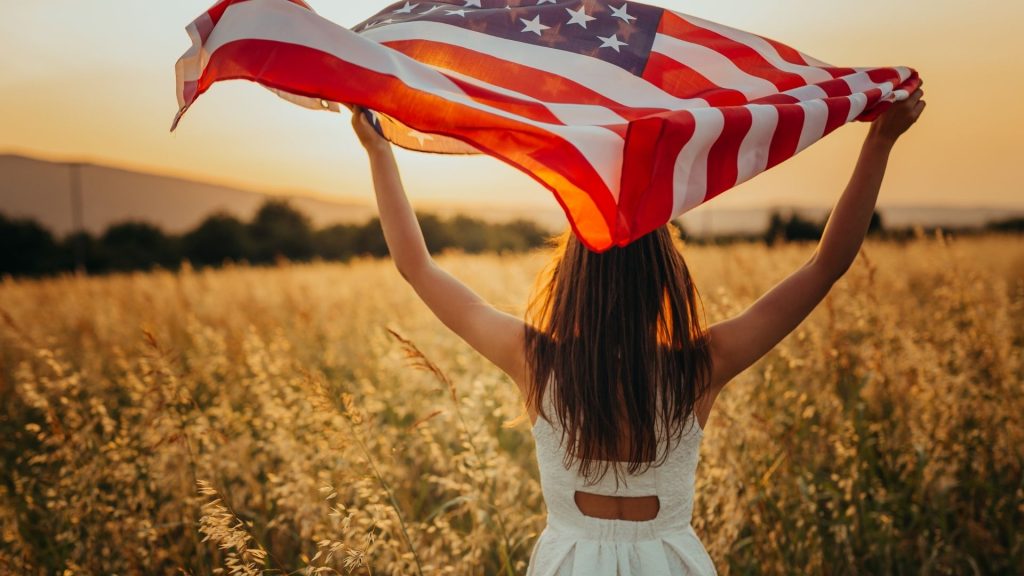
Historic Parades: A Tradition Rooted in Early American Celebrations
One of the most enduring traditions associated with the Fourth of July is the Independence Day parade, a public spectacle that dates back to the earliest years of the American republic. Even in the late eighteenth and early nineteenth centuries, communities gathered to mark the anniversary of independence with processions, speeches, and patriotic music. These early celebrations served as both political statements and expressions of civic pride.
In modern America, Fourth of July parades remain a central feature of the holiday in many cities and towns. Streets are lined with flags and decorations as residents gather to watch marching bands, community groups, veterans’ organizations, and local leaders participate in the procession. The atmosphere often reflects a blend of nostalgia and celebration, connecting modern communities with traditions that have existed for generations.
Parades also serve as a public reminder of national history. Many events include historical reenactors dressed in clothing inspired by the Revolutionary era. These participants help audiences visualize the people who played roles in the nation’s early struggles for independence. Such reenactments transform historical memory into a visible and engaging experience.
In addition to historical themes, modern parades often highlight the diversity of contemporary American society. Cultural organizations, youth groups, and community associations participate alongside traditional patriotic displays. This combination illustrates how the concept of American identity has expanded over time while still honoring the country’s founding ideals.
For many families, attending a local parade is one of the first activities of the day. Children watch colorful floats and marching bands while community members greet neighbors and friends. The experience reinforces the idea that Independence Day is not only about national history but also about the strength of local communities.
Through their combination of pageantry, historical symbolism, and civic participation, Fourth of July parades continue to represent one of the most recognizable traditions in modern American culture.
Fireworks Displays and the Symbolism of Celebration
Fireworks have become perhaps the most iconic visual symbol of the Fourth of July. The tradition dates back to the earliest Independence Day celebrations, when public displays of light and sound were used to mark the significance of the new nation’s founding. Over time, fireworks evolved into large-scale spectacles that draw crowds of thousands to parks, waterfronts, and public squares across the United States.
The appeal of fireworks lies not only in their visual beauty but also in their symbolic meaning. The bright explosions of color in the night sky evoke feelings of excitement, celebration, and national pride. For many Americans, watching fireworks has become an emotional experience that connects them with generations who celebrated the holiday before them.
Modern fireworks displays are often carefully choreographed events that combine light, sound, and music. Cities invest significant planning and resources into creating shows that reflect the scale and importance of the holiday. These events attract large crowds and are frequently accompanied by live performances, community gatherings, and public ceremonies.
The experience of watching fireworks also has a communal aspect. Families, friends, and neighbors gather together in open spaces to watch the display, often bringing blankets, picnic baskets, and folding chairs. The shared anticipation as the sky lights up with bursts of color creates a sense of collective celebration that is unique to the holiday.
Beyond their entertainment value, fireworks also carry historical symbolism. Early celebrations of independence included artillery salutes and celebratory gunfire, which later evolved into the fireworks displays seen today. The tradition reflects the joy and relief felt by early Americans after gaining independence, a sentiment that continues to echo through modern celebrations.
Although technology has made fireworks displays more elaborate than ever, the underlying meaning remains the same: a vibrant expression of freedom, celebration, and national unity.
Backyard Barbecues: The Heart of Family Celebrations
While public events play an important role in Independence Day festivities, many Americans consider the backyard barbecue to be the true heart of the holiday. Across the country, families and friends gather in backyards, parks, and community spaces to share meals and spend time together. These gatherings transform the holiday from a national commemoration into a personal and social experience.
Barbecues have become closely associated with the Fourth of July because they capture the relaxed, outdoor atmosphere of midsummer in the United States. Grills are set up in backyards, picnic tables are arranged with food and drinks, and conversations continue long into the evening. The informal nature of these gatherings allows people to enjoy the holiday in a comfortable and familiar setting.
Food plays a central role in these celebrations. Traditional barbecue menus often include grilled dishes, fresh salads, seasonal fruits, and homemade desserts. These meals reflect the agricultural abundance of summer and the cultural traditions of different regions of the country. Each family or community may add its own variations to the menu, creating a unique culinary expression of the holiday.
Beyond the food itself, backyard barbecues provide an opportunity for social connection. Neighbors often join the gathering, children play games in the yard, and conversations range from everyday life to reflections on the meaning of the holiday. These simple interactions strengthen community bonds and reinforce the sense of shared celebration.
In many ways, the popularity of backyard barbecues demonstrates how Independence Day has evolved over time. While the holiday began as a formal commemoration of political independence, it has grown into a cultural tradition centered on togetherness and community.
The backyard barbecue therefore represents more than a meal; it embodies the spirit of hospitality, friendship, and freedom that many Americans associate with the Fourth of July.
Community Events and Local Festivals
Across the United States, local communities organize festivals and public events that transform Independence Day into a lively celebration of culture and civic pride. These gatherings often include concerts, art fairs, historical exhibits, and recreational activities designed to bring people together in shared celebration.
Community festivals often take place in parks, town squares, or waterfront areas where large groups can gather comfortably. Live music performances are a common feature, with local musicians performing patriotic songs, folk music, or contemporary styles that appeal to a wide audience. These performances contribute to a festive atmosphere while also showcasing local talent.
Many communities incorporate historical storytelling into their celebrations. Local historians and educators present short talks or exhibitions that highlight the history of the town or region. These presentations remind residents that their own communities have played a role in the broader national story.
Family-friendly activities also form a key part of community festivals. Games, craft workshops, and outdoor competitions allow children to participate in the celebrations while learning about the significance of the holiday. These activities help younger generations develop an appreciation for the traditions associated with Independence Day.
Another important element of community events is volunteer participation. Local organizations, civic groups, and residents often collaborate to plan and organize the celebrations. This cooperative effort strengthens community bonds and reinforces the idea that national holidays are shared experiences.
Through these festivals and gatherings, Independence Day becomes more than a historical commemoration. It becomes a vibrant cultural event that reflects the energy and diversity of modern American communities.
Conclusion
Fourth of July traditions in modern America reflect a unique blend of historical remembrance and contemporary cultural practices. From historic parades that echo the early celebrations of the republic to fireworks displays that light up the summer sky, each tradition connects the present generation with the nation’s founding story.
At the same time, the holiday has evolved into a deeply social occasion centered on family gatherings, backyard barbecues, and community festivals. These traditions demonstrate how national identity can be expressed through everyday experiences such as shared meals, neighborhood celebrations, and local cultural events.
The enduring popularity of these customs shows that Independence Day remains an important part of American life. It provides a moment each year when citizens pause to reflect on the ideals of freedom and self-government while also celebrating the relationships and communities that define their daily lives.
By combining historical reflection with joyful celebration, Fourth of July traditions continue to capture the spirit of a nation that values both its past and its evolving future.
Modern software teams move fast. Features are built daily, fixes are deployed hourly, and collaboration happens across time zones. But there’s still one recurring bottleneck in development: safely exposing local services and validating them in real-world conditions without breaking your workflow.
That’s exactly the problem ASD.host was built to solve.
ASD.host (Accelerated Software Development) is a developer-focused platform designed to securely expose local services, streamline testing, and improve CI/CD efficiency — without messy network configurations or fragile tunnel setups.

The Hidden Friction in Development
If you’ve ever had to:
- Open firewall ports manually
- Configure reverse proxies on the fly
- Share unstable preview links
- Push half-finished work to staging just to test a webhook
…then you know how much time infrastructure friction can waste.
ASD.host removes that friction by making it simple to expose local services instantly and securely. Instead of complicated setup processes, developers can focus on what they do best: building.
Built Around Real Engineering Workflows
ASD.host isn’t trying to replace your entire stack. It integrates into your existing development and CI/CD processes.
The platform allows teams to:
- Expose services running locally with secure HTTPS access
- Share live demos instantly with teammates or stakeholders
- Validate integrations in real time
- Debug workflows directly during CI/CD runs
This means fewer “works on my machine” surprises and faster feedback loops across the team.
More Than Just a Tunnel
While many tools offer basic tunneling, ASD.host takes a more structured approach.
It emphasizes:
- Controlled access via token-based authentication
- Predictable service routing
- Cleaner workflow integration
- A CLI-driven experience built for engineers
This makes it suitable not only for solo developers but also for growing teams that need consistency and reliability.
CI/CD Without the Bottlenecks
Continuous integration and deployment are essential for modern software delivery — but they can become slow and complex when services aren’t easily accessible.
ASD.host allows developers to expose services during pipeline execution, test external callbacks, and validate behavior in real time. Instead of waiting for full deployments to staging environments, teams can catch issues earlier and move faster.
The result? Shorter release cycles and fewer last-minute surprises.
Designed for Teams That Ship
ASD.host reflects a clear philosophy: simplify what slows teams down.
It doesn’t overwhelm you with unnecessary complexity. Instead, it improves one critical part of development — secure and structured service exposure — and does it well.
For startups, it reduces setup time.
For scaling teams, it adds predictability.
For DevOps engineers, it removes repetitive manual tasks.
Final Thoughts
In today’s development landscape, speed and collaboration are everything. But speed without structure creates chaos.
ASD.host strikes the balance — giving teams a reliable, secure way to share, test, and validate services without disrupting their workflow.
If your team is tired of patchwork tunnel setups and staging delays, ASD.host offers a modern, developer-first solution built for how software is actually created today.
International Women’s Day on March 8th is about celebrating women in every stage of life — growing, leading, nurturing, creating, and inspiring. While flowers and gifts are thoughtful, there’s something even more meaningful: capturing this chapter of your life with professional portraits.
A studio photoshoot in Philadelphia offers a calm, elegant space where you can truly celebrate yourself. Whether you’re expecting a baby, embracing motherhood, or simply honoring your personal journey, this experience becomes a powerful reminder of your strength.
For moms-to-be especially, booking a session with the Best maternity photographer in Philadelphia ensures that your portraits feel refined, flattering, and deeply personal. Professional lighting, curated backdrops, and guided posing create images that feel effortless and timeless.

Why International Women’s Day Is Perfect for Portraits
March 8th is about appreciation — and that includes appreciating yourself.
Life moves quickly. Pregnancy passes. Children grow. Seasons change. A studio photoshoot allows you to pause and preserve the beauty of this exact moment.
Unlike outdoor sessions that depend on weather, a studio environment offers consistency and privacy. You can focus entirely on feeling confident, comfortable, and radiant.
The Studio Experience Makes All the Difference
A professional studio session in Philadelphia provides:
- Soft, controlled lighting for flattering results
- Elegant backdrops that highlight natural beauty
- A relaxed atmosphere without outside distractions
- Expert direction so you never feel unsure in front of the camera
You don’t need modeling experience. You don’t need to know how to pose. The right photographer guides you every step of the way, creating images that feel natural and authentic.
A Meaningful Gift That Lasts Forever
Looking for a powerful Women’s Day gift idea?
A studio photoshoot is unforgettable. It’s thoughtful. It’s empowering. And it creates memories that will last far beyond March 8th.
Partners can surprise their wives. Families can celebrate a mother-to-be. Women can choose to honor themselves with a confidence session.
Unlike temporary gifts, portraits become heirlooms.
Make This March 8th About You
International Women’s Day is about strength, resilience, and beauty — inside and out.
A studio photoshoot in Philadelphia transforms that message into something tangible. It captures your glow, your confidence, your story.
This March 8th, celebrate more than just the day. Celebrate yourself — and preserve the moment forever.
March 8th — International Women’s Day — isn’t just another holiday. It’s a meaningful opportunity to celebrate the women who inspire, support, and lead in our lives. Whether you’re honoring your mom, partner, sister, friend, or colleague, this day deserves more than a rushed gift.
The best celebrations feel personal. And nothing feels more personal than carefully chosen flowers.
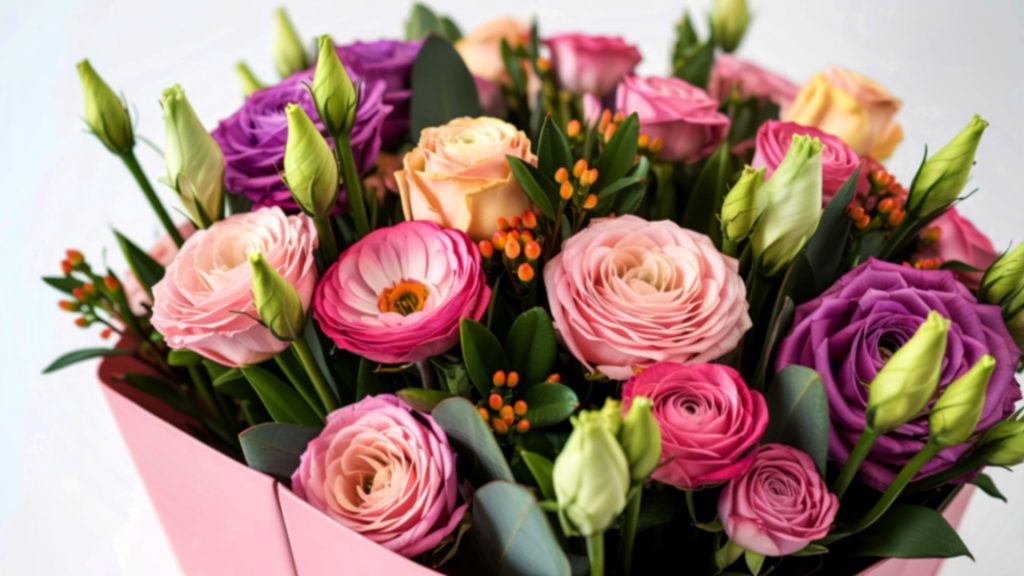
If you’re planning in advance, choosing a reliable Best florist Norwalk, CT helps ensure your bouquet is fresh, beautifully designed, and delivered exactly when it should be. March 8th is one of the busiest floral days of the year, so preparation truly makes a difference.
Why Flowers Still Speak the Loudest
There’s a reason flowers have been the symbol of appreciation for generations.
They’re elegant.
They’re emotional.
They’re timeless.
Soft pink roses can express gratitude. Bright tulips represent admiration and renewal. Yellow blooms bring warmth and positivity. Each arrangement can reflect personality, mood, and intention.
And on March 8th, intention is everything.
How to Choose the Right Arrangement
When selecting flowers, think beyond just “pretty.”
Ask yourself:
- What colors does she love?
- Does she prefer classic or modern styles?
- Would she appreciate something bold or soft?
A minimalist bouquet can feel chic and refined. A full, vibrant arrangement can feel joyful and celebratory. The key is matching the bouquet to the person — not just the occasion.
Timing Is Everything
Waiting until the last minute can limit your options. The best arrangements often sell out quickly for March 8th.
Plan to:
- Order at least a few days early
- Confirm delivery time
- Add a heartfelt message
- Consider surprise delivery to work or home
These small planning steps turn a simple gift into a moment she won’t forget.
Elevate the Experience
If you want to go a step further, pair flowers with:
- A handwritten card
- A favorite coffee or dessert
- A spa gift set
- A lunch or dinner reservation
The goal isn’t extravagance — it’s thoughtfulness.
Make March 8th Meaningful
International Women’s Day is about recognition and appreciation. It’s about acknowledging strength, resilience, and everyday impact.
A beautiful bouquet, delivered with care and chosen with intention, says more than you think.
Plan early. Choose quality. Celebrate with heart.
That’s how you truly honor March 8th.
Let’s face it — New York City is iconic, but it’s not for everyone. After the pandemic, the rent spikes, the daily grind, and now the rise of remote work, a growing number of New Yorkers are asking: What’s life like outside the five boroughs?
For many, the answer is just across the border: Connecticut.
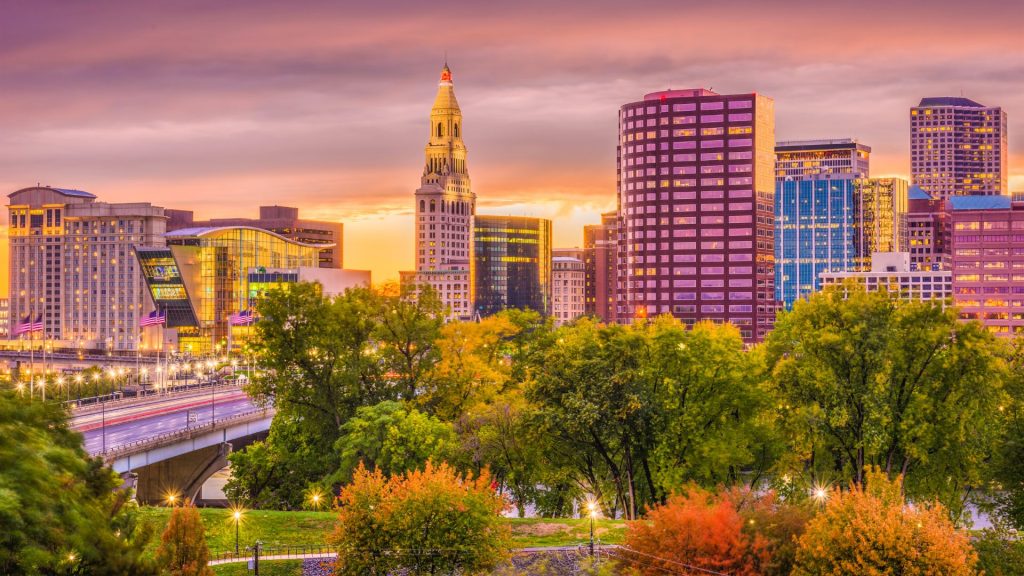
Whether you’re burnt out on city life or just ready for a lifestyle shift, here’s an honest look at what life in Connecticut offers instead of NYC — from affordability and space to schools, safety, and sanity.
1. More Space, Less Stress
If you’ve spent any time in NYC, you know the struggle: tiny kitchens, thin walls, no closet space, and zero room to breathe.
In Connecticut:
- You can actually have a separate office, not just a desk in the corner.
- Backyards are a thing. So are porches, patios, and gardens.
- Quiet is normal — not a luxury.
That sense of mental space? It’s real. And for many former New Yorkers, it’s the number one reason they made the move.
2. Affordability (Yes, Even in 2026)
New York rent remains sky-high in 2026. Meanwhile, Connecticut offers more home for less money — and you still stay connected to the city when you want to be.
Average Monthly Rent Comparison (2026):
| Location | 1-BR Apartment | 3-BR House |
| Manhattan | $3,800 | $6,000+ |
| Brooklyn | $3,200 | $5,200 |
| Stamford, CT | $2,200 | $3,800 |
| New Haven, CT | $1,700 | $3,200 |
Even if you’re not buying a house, you’ll get more for your money, and probably your own laundry, parking, and actual storage.
3. Great Schools Without the Competition Olympics
NYC has some amazing schools — if you can get into them. From navigating zoned districts to waiting lists and lotteries, it can feel like a second job.
In Connecticut:
- Many towns have top-rated public schools that don’t require special applications.
- School rankings in places like Westport, Darien, and Glastonbury are among the best in the nation.
- Smaller class sizes, more campus space, and real community involvement are standard.
You get to focus on your kid, not just the system.
4. Community That Feels Like… Community
NYC has its own kind of neighborhood energy — but let’s be honest, it’s easy to feel anonymous.
In Connecticut towns:
- People say hi at the grocery store.
- Local coffee shops remember your name.
- You actually get to know your neighbors — not just hear them through the wall.
Whether you’re moving with kids or solo, that smaller-town vibe hits different when you’ve spent years surrounded by millions of strangers.
5. Nature, Parks, and a Breath of Fresh Air
If you’re the type who needs a walk in the park to decompress, Connecticut is a paradise.
What you’ll find instead of concrete:
- Beaches on the Long Island Sound
- Forest hikes, rivers, and waterfalls
- State parks like Sleeping Giant, Devil’s Hopyard, and Kent Falls
- Space for biking, kayaking, skiing — all within a couple hours
And no, you don’t have to drive far. Many Connecticut towns have nature right in your backyard.
6. A Growing Food, Culture & Coffee Scene
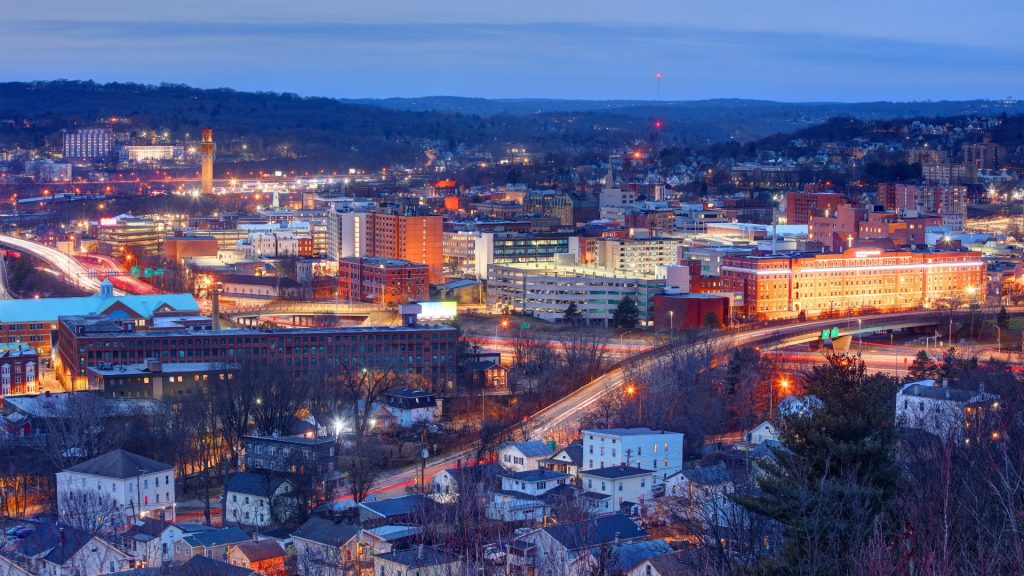
Connecticut isn’t just diners and Dunkin’ anymore (though we still love both). In 2026, the state is full of unexpectedly cool places to eat, shop, and hang out.
- New Haven’s food scene is next level — pizza, yes, but also global eats and fine dining.
- Towns like West Hartford, Mystic, and Fairfield are packed with independent restaurants, coffee shops, breweries, and boutiques.
- Live music, art walks, and outdoor markets are regular events, not rare finds.
Think of it like Brooklyn energy — without the $19 cocktails.
7. You’re Still Close to NYC (When You Want It)
Let’s be clear — moving to Connecticut doesn’t mean saying goodbye to NYC forever.
Here’s the deal:
- Metro-North trains from Stamford, Greenwich, and Fairfield get you to Grand Central in under 70–90 minutes.
- You can work in NYC part-time, catch a Broadway show, or hit a concert — and still be back in bed by midnight.
- For hybrid workers, it’s the perfect basecamp: access without the chaos.
You don’t lose the city. You just gain a choice.
8. It’s Not Just for Families Anymore
Yes, Connecticut is great for raising kids. But in 2026, it’s also becoming a haven for:
- Remote workers who want more space and fewer distractions
- Young couples priced out of Brooklyn and looking to buy
- Creators and entrepreneurs building businesses out of home studios or coworking hubs
- Even singles who are just done with the noise and want a new pace of life
New energy is flowing into CT towns — and they’re responding with better food, more culture, and fresh ideas.
9. Lower Stress, Real Balance
Maybe the biggest shift isn’t financial or physical — it’s emotional.
Leaving NYC for Connecticut gives many people a new rhythm:
- Less time commuting, more time for life
- Less noise, more clarity
- Less pressure, more presence
If you’re over the hustle, or if you love your job but not your lifestyle, this is where it starts to feel easier.