




Cool Flower Facts in the U.S. and What’s Blooming in 2026
Alright, space lovers, buckle up. 2026 is shaping up to be one of the most exciting years in recent space history. We’re talking Moon missions, deep space explorers, asteroid tracking telescopes, and even tiny satellites with BIG responsibilities.
Flowers in the U.S.—They’re a Big Deal
Think flowers are just pretty little things sitting in a vase? Not in the U.S. In America, flowers are a whole vibe. They’re tied to history, culture, state pride, and yeah—even politics. Ever noticed how every U.S. state has its own official flower? It’s like each place has its own botanical spirit animal.
Some examples:
- California – The bright orange California poppy 🌼
- Texas – The iconic bluebonnet (you’ve seen it in road trip photos)
- Hawaii – Yellow hibiscus, as tropical as it gets
- Illinois – The sweet little violet
On top of that, we’ve got massive flower festivals. The most famous? The National Cherry Blossom Festival in Washington, D.C.—millions of people show up every spring to snap selfies under the pink trees gifted by Japan over a century ago.
What’s Coming in 2026? A Big Year for Flowers
So, what’s the deal with 2026? It’s not just another year—it’s America’s 250th birthday. Yep, the Semiquincentennial (try saying that three times fast). And flowers? They’re gonna be front and center in all the celebrations.
🌺 1. Red, White & Blooming All Over the U.S.
With the big anniversary, cities across the country are planning flower-focused events, gardens, and floral art installations. Philly, where it all started back in 1776, is planning a special “Garden of Independence”—a floral tribute made entirely of native U.S. plants. Expect to see patriotic color combos everywhere: red roses, white lilies, and blue delphiniums are about to be the unofficial flower lineup of the year.
🌿 2. Local Flower Farms Are Booming
Since the pandemic, more folks have been buying local flowers instead of imports, and this trend is only growing. By 2026, experts say we’ll see a big push for “slow flowers”—that’s like farm-to-table, but for your bouquet.
States like Oregon, Washington, and Vermont are leading the way with small flower farms that are all about sustainability and fresh, in-season blooms. Think dahlias, sunflowers, peonies—grown without the chemicals and with tons of love.
💐 3. Floral Style in 2026? Wild & Free
Say goodbye to those perfect, cookie-cutter bouquets. The trend for 2026 is all about wildflower energy—asymmetrical, natural, and a little messy (but in a cool way). People are into that “just picked from a field” look.
Expect to see:
- Dried elements like grasses and seed pods
- Lavender and eucalyptus for scent and texture
- Funky combos like sunflowers + ranunculus + weird vines (yes, it works)
By the Numbers: America’s Flower Obsession
Here’s a snapshot of where the U.S. stands right now with its flower game:
| What’s Happening | The Numbers |
| Floral industry size | $6.5+ billion/year |
| Most flower-friendly states | California, Florida, Washington |
| Top-sold flowers | Roses, tulips, lilies |
| Growth in local flower sales | Up 18% in the last 2 years |
And fun fact: there are more flower farms in the U.S. than Starbucks. No joke—over 16,000 of them!
Did You Know?
- Americans buy over 4 billion flower stems each year.
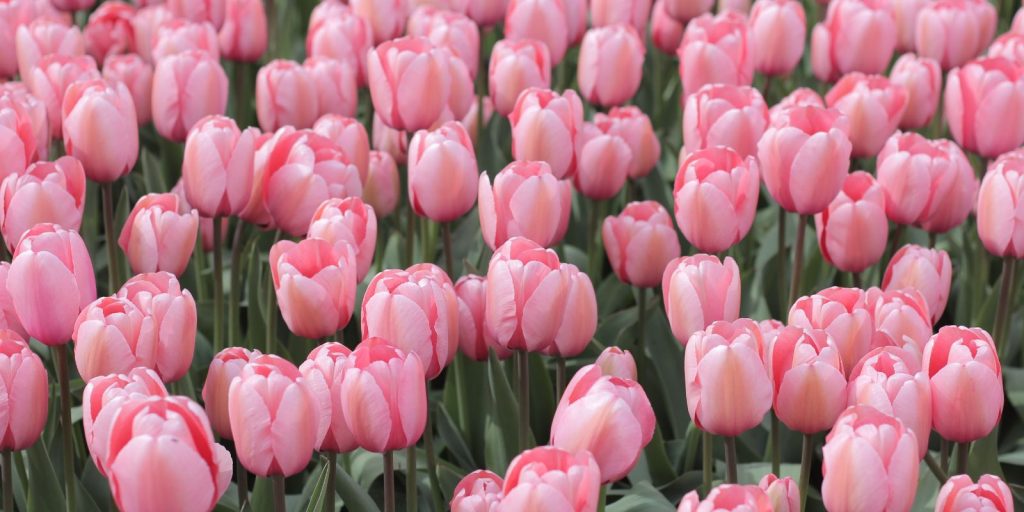
- Tulips are seen as the flower of friendship.
- Red roses still dominate Valentine’s Day like a boss.
So, Why Should You Care?
Because in 2026, flowers won’t just be pretty—they’ll be part of a bigger cultural movement. Between the patriotic celebrations, booming local farms, and new trends in florals, we’re looking at a year where flowers actually mean something. Whether you’re a florist, a gardener, or just someone who likes fresh blooms on your kitchen table, there’s never been a better time to get into it.
So yeah—flowers are having a moment, and 2026 might just be their biggest one yet.
Read These Next

Why Buyers Trust Real Estate Videos More Than Photos
For years, professional photography has been the foundation of property marketing. Great photos remain essential, but buyer behaviour is changing.…

Marketing in the Netherlands: Why Dutch Consumers Think Differently
The marketing industry in the Netherlands works differently compared to many other countries in Europe. Dutch consumers are practical, highly…

Tourism in Tenerife: Why the Island Feels Different From Other Vacation Spots
Tenerife isn’t one of those places people visit once and forget about. The island has a strange way of pulling…