





How AI Is Quietly Reshaping Everyday Life in the U.S. in 2026
In 2026, artificial intelligence in the United States no longer feels futuristic or flashy. There are no flying cars, no robot neighbors knocking on your door. Instead, AI has blended into daily life so smoothly that many people barely notice it’s there. And that’s exactly what makes this moment interesting. This year marks the point […]
In 2026, artificial intelligence in the United States no longer feels futuristic or flashy. There are no flying cars, no robot neighbors knocking on your door. Instead, AI has blended into daily life so smoothly that many people barely notice it’s there. And that’s exactly what makes this moment interesting.
This year marks the point where AI stops being a “tech trend” and becomes quiet infrastructure — like electricity or the internet — powering decisions, services, and routines across the country.
AI Is No Longer Just for Big Tech Cities
One of the biggest shifts in 2026 is where AI is being used. It’s not limited to Silicon Valley or major metropolitan hubs anymore.
Small and mid-sized towns across the U.S. are using AI to:
- Optimize traffic lights and reduce congestion
- Predict water pipe failures before they happen
- Improve emergency response times
- Manage local energy grids more efficiently
For many communities, AI isn’t about innovation headlines. It’s about saving money, reducing downtime, and making local government work better with limited staff.
Healthcare Feels More Personal — and Less Rushed
In 2026, AI has become a silent assistant in American healthcare. Patients may not see it directly, but they feel the difference.
AI systems now help doctors:
- Review medical scans faster and with fewer errors
- Spot early warning signs in routine lab results
- Personalize treatment plans based on patient history
For patients, this means shorter wait times, clearer explanations, and fewer repeat visits. The technology isn’t replacing doctors — it’s giving them more time to actually talk to people.
Workplaces Are Smarter, Not Harder
The American workplace in 2026 looks calmer on the surface, but much more efficient behind the scenes.
AI tools quietly handle:
- Scheduling meetings across time zones
- Drafting first versions of reports and emails
- Analyzing sales and performance data in real time
As a result, many professionals are spending less time on repetitive tasks and more time on decision-making and creative work. The biggest change isn’t job loss — it’s how workdays feel less chaotic than they did just a few years ago.
AI Is Helping the Energy Transition Feel Practical
Sustainability in the U.S. has moved past slogans in 2026. AI is playing a major role in making clean energy usable at scale.
Across the country, AI helps:
- Balance solar and wind energy on local grids
- Predict peak demand more accurately
- Reduce power outages during extreme weather
This has made renewable energy more reliable, especially in states dealing with heat waves, storms, and aging infrastructure.
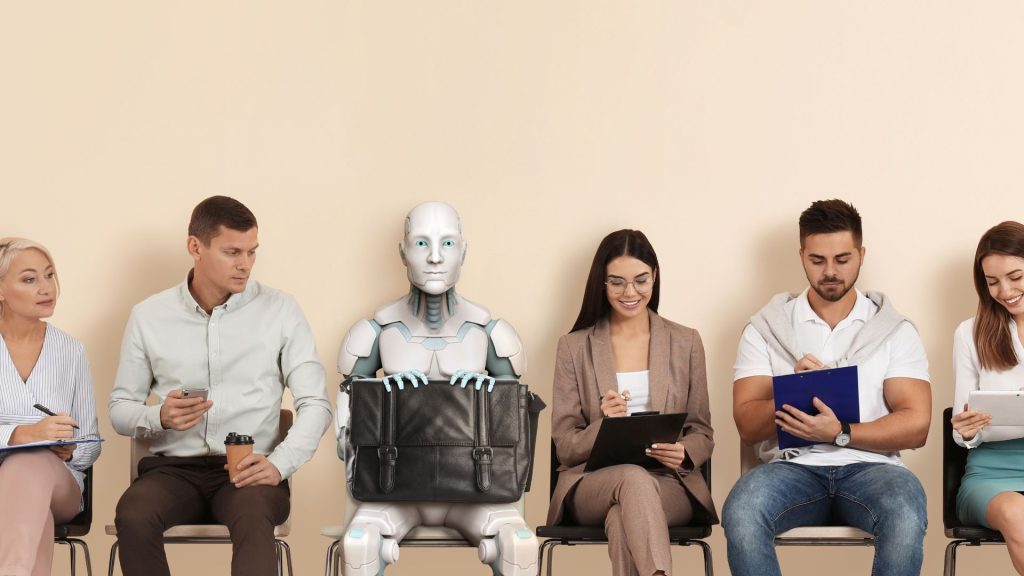
The Real Story of AI in 2026: Normalcy
What makes AI in the United States in 2026 truly fascinating isn’t dramatic breakthroughs — it’s normalcy.
AI doesn’t announce itself anymore. It simply works in the background:
- Making systems faster
- Reducing human error
- Freeing people to focus on what matters
For most Americans, the question is no longer “Will AI change our lives?”
It already has — quietly, steadily, and in ways that finally feel useful.
Final Thoughts
2026 may not be remembered as the year AI shocked the world. Instead, it may be remembered as the year AI settled in.
And sometimes, the most important changes are the ones that don’t demand attention — they just make life work a little better every day.
If you want, next I can:
- Write a more provocative trend-focused article
- Adapt this for SEO or a blog
- Narrow it to business, healthcare, or everyday consumers
Read These Next
Why Buyers Trust Real Estate Videos More Than Photos
For years, professional photography has been the foundation of property marketing. Great photos remain essential, but buyer behaviour is changing.…
Marketing in the Netherlands: Why Dutch Consumers Think Differently
The marketing industry in the Netherlands works differently compared to many other countries in Europe. Dutch consumers are practical, highly…

Tourism in Tenerife: Why the Island Feels Different From Other Vacation Spots
Tenerife isn’t one of those places people visit once and forget about. The island has a strange way of pulling…