




U.S. Cities Go Car-Free: The Urban Shift Taking Off by 2026
Moving across states or buying a car from out of town can be exciting—until you realise you need to get that car safely to your driveway. That’s where Speedline Auto Transport steps in, and honestly, it’s one of the Best car shipping solutions you’ll find in Massachusetts.
Picture this: no honking cars, no rush-hour gridlock, no endless searches for parking. Just walkable streets, bike lanes, green spaces, and electric shuttles quietly moving people around. Sounds like a European thing, right?
Not anymore.
As we head into 2026, more U.S. cities are launching car-free zones, pedestrian-first projects, and permanent street closures to make urban life cleaner, calmer, and more climate-friendly. What started as temporary measures during the COVID-19 pandemic has become a movement — and Americans are responding with surprising enthusiasm.
🚶 Why Cities Are Saying “Bye” to Cars (At Least in Some Areas)
Let’s break it down:
- Climate change: Cars are a major source of emissions. Cutting vehicle traffic, especially in downtown cores, helps meet local and national climate goals.
- Public health: Less pollution = fewer respiratory issues. Plus, walkable areas encourage movement.
- Economic recovery: Pedestrian zones have brought life back to small businesses, cafes, and local shops.
- Safety: Fewer cars = fewer accidents, period.
People are walking, biking, using scooters, and hopping on electric shuttles — and they’re realizing they kind of love it.
🗺️ Which Cities Are Going Car-Free in 2026?
Here are some of the most ambitious projects happening across the U.S. right now:
New York City
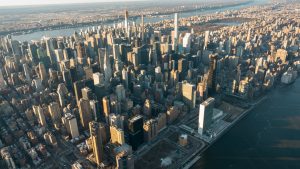
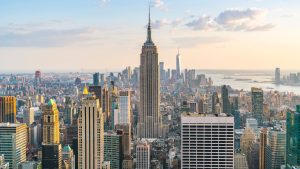
- By late 2025, NYC expanded its Open Streets program, permanently closing parts of Broadway, Fifth Avenue, and sections of the Financial District to regular car traffic.
- In 2026, expect a full “Midtown Mobility Zone”, prioritizing buses, bikes, and pedestrians over private vehicles.
San Francisco
- The city that gave us the original “Slow Streets” is now turning parts of Market Street and surrounding blocks into transit-only zones, with added green spaces and public art.
Chicago
- State Street is being reimagined as a car-free cultural corridor, connecting museums, performance spaces, and open markets.
Austin, TX
- A pilot project in South Congress is removing cars on weekends — and locals want to make it permanent.
Seattle
- Already ahead of the curve, Seattle is turning parts of Capitol Hill and Pike Place Market into people-only areas, citing environmental impact and community support.
🚲 What’s Replacing the Car?
Don’t worry — these cities aren’t banning vehicles everywhere. It’s about rethinking mobility, not making life harder.
Expect to see:
- Electric buses and micro-shuttles with priority lanes
- Bike- and scooter-sharing stations on every block
- Automated delivery bots for food and packages
- More green space replacing street parking
In some cities, personal cars can still enter zones during limited hours, or with special permits for residents, seniors, and people with disabilities.
📉 Is It Working?
Early results are promising:
- In New York’s pedestrian zones, foot traffic is up 34%, and local businesses report double-digit sales growth.
- San Francisco’s car-free areas show lower air pollution, even during peak hours.
- Surveys show 65% of residents in car-free zones want them to stay permanent.
Plus, cities report lower maintenance costs — less traffic means less wear and tear on roads and fewer traffic accidents to manage.
🤔 The Pushback Is Real, Too
Not everyone’s thrilled. Critics say:
- It’s hard for rideshare and delivery drivers
- Low-income residents might have fewer transport options
- Public transit needs major upgrades to handle increased demand
- Some fear small businesses outside pedestrian zones may lose foot traffic
City planners say they’re listening — and are working to balance accessibility with sustainability. Many are also investing in affordable e-bike programs and expanded public transit options.
🌍 What This Means Long-Term
Car-free city centers may seem radical in the U.S., but they’re the norm in parts of Europe and Asia. And with growing public support, federal funding, and climate pressure, American cities are finally catching up.
By 2030, experts predict:
- Over 25 major U.S. cities will have permanent car-free zones
- Up to 20% of urban trips will be made by bike or foot
- “15-minute cities” — where everything you need is a short walk away — will be common
Final Thoughts: The Future Feels (Surprisingly) Walkable
The car won’t disappear anytime soon. But the idea of cities built for people, not traffic, is no longer a fantasy — it’s happening right now.
Whether you love your wheels or dream of car-free living, one thing’s for sure:
By 2026, America’s streets are changing — and for many, it’s a breath of fresh air.
Read These Next

Why Buyers Trust Real Estate Videos More Than Photos
For years, professional photography has been the foundation of property marketing. Great photos remain essential, but buyer behaviour is changing.…

Marketing in the Netherlands: Why Dutch Consumers Think Differently
The marketing industry in the Netherlands works differently compared to many other countries in Europe. Dutch consumers are practical, highly…

Tourism in Tenerife: Why the Island Feels Different From Other Vacation Spots
Tenerife isn’t one of those places people visit once and forget about. The island has a strange way of pulling…