





Best Places to Visit in Tenerife, Spain
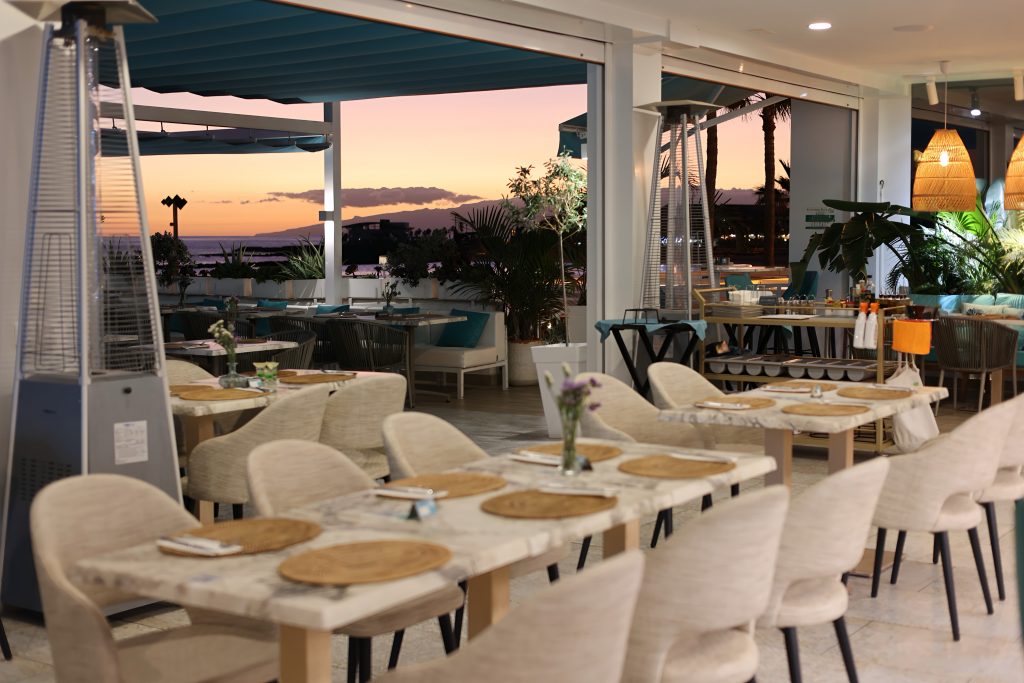
If you ever find yourself wandering the sun-kissed coastlines of Tenerife, there’s one spot that truly captures the island’s magic: La Medusa Restaurant & Cocktail Bar. It’s not just another seaside eatery – it’s an experience where food, atmosphere, and views blend together into something unforgettable.
Looking for a European escape that’s tropical, adventurous, and still relatively unknown to American tourists? Meet Tenerife, the crown jewel of Spain’s Canary Islands. Nestled off the northwest coast of Africa, Tenerife blends stunning volcanic landscapes, white and black sand beaches, lush forests, and centuries-old towns—making it a paradise for every kind of traveler. Unlike more traditional destinations in mainland Europe, Tenerife gives you something unexpected: a wild, untouched beauty mixed with relaxed island life and world-class experiences.
From hiking to the summit of Spain’s highest mountain to snorkeling in crystal-clear Atlantic waters, every day here feels like a completely new adventure. And yet, when the sun sets, you can wind down in small village squares, sip local wine, and dine in style. Whether you’re into nature, history, food, or just pure relaxation, Tenerife checks all the boxes.
When it comes to dining, don’t miss the Best restaurant experience in Tenerife — La Medusa. This elegant seaside restaurant, located in Costa Adeje, is the definition of refined Canarian cuisine. La Medusa offers more than just food—it crafts a sensory journey with ocean views, artful dishes, and fresh local ingredients. Expect elevated seafood, creative tasting menus, and a setting that captures the calm luxury of the island. It’s a must for any traveler looking to savor the real flavor of Tenerife.
Let’s dive into the absolute best places to visit on this unforgettable island, specifically curated for travelers coming from the U.S.
How to Get to Tenerife from the U.S.
So you’re ready to explore this Atlantic gem—but how do you get there from the United States? While Tenerife might not yet have direct flights from the U.S., it’s surprisingly accessible with just one layover, usually in a major European city.
Your best bet is to fly into Madrid, Barcelona, or London, and then catch a quick flight (2.5 to 3 hours) to Tenerife South Airport (TFS) or Tenerife North (TFN). TFS is the most popular for international arrivals and is well connected to the main tourist regions.
Here’s a quick breakdown:
- Major U.S. Cities: Fly out of New York, Miami, Atlanta, Chicago, or Los Angeles
- Flight Duration: 7–9 hours to Europe + 2–3 hours to Tenerife
- Top Airlines: Iberia, Air Europa, British Airways, American Airlines (via codeshare), Lufthansa
- Layover Cities: Madrid, Barcelona, Lisbon, London, Frankfurt
Pro Tip: Many travelers take advantage of the layover by spending a night in Spain’s mainland. A day in Madrid or Barcelona adds a bonus European flair before the island escape.
Also, keep an eye out for discounted routes using budget European airlines like Ryanair or Vueling for your second leg—especially if you travel light and don’t mind minimal frills.
When is the Best Time to Visit Tenerife?
One of the best things about Tenerife is that it’s a year-round destination. Nicknamed the “Island of Eternal Spring,” Tenerife maintains mild and sunny weather all 12 months of the year, making it perfect for escaping harsh winters or taking a warm summer vacation without the oppressive heat found in other European destinations.
Let’s break it down by seasons:
Winter (December–February)
- Day temps: 65–72°F
- A haven for Europeans escaping the cold
- Great time for hiking, whale watching, and visiting historic towns
- Less crowded with American tourists
Spring (March–May)
- Lush greenery and wildflowers in full bloom
- Ideal for hiking and exploring the countryside
- Shoulder season—fewer crowds and lower prices
- Pleasant weather for both beach and nature activities
Summer (June–August)
- High season for Spanish tourists
- Beaches are lively, waters are warm
- South Tenerife gets hot, but trade winds cool things down
- Great for surfing, swimming, and nightlife
Fall (September–November)
- Warmest ocean temps of the year
- Excellent for food and wine festivals
- Calm weather, fewer crowds
- Great time for photography and coastal hiking
If you’re coming from the U.S., especially from northern states, winter and spring are perfect for escaping the cold. But truly, you can visit Tenerife any time and find sunshine waiting for you.
Understanding Tenerife: North vs. South
Though it’s a single island, Tenerife feels like two completely different worlds: the sunny, resort-heavy south and the green, traditional north. Which side should you stay on? That depends on your travel goals.
South Tenerife
- Known for: Year-round sun, beaches, luxury resorts
- Best towns: Costa Adeje, Los Cristianos, Playa de las Américas
- Ideal for: Families, beach lovers, nightlife seekers
- Attractions: Siam Park, beach clubs, upscale shopping
- Vibe: Lively, modern, tourist-friendly
North Tenerife
- Known for: Lush landscapes, cooler temps, colonial charm
- Best towns: Puerto de la Cruz, La Laguna, La Orotava
- Ideal for: Culture seekers, nature lovers, quiet getaways
- Attractions: Botanical gardens, natural pools, historical towns
- Vibe: Authentic, laid-back, artistic
Still undecided? Many travelers split their stay—a few days in the north to soak in history and hikes, followed by some beach time in the south. Distances are short, so you can easily rent a car and explore both halves of the island during one trip.
Mount Teide National Park
There’s no place in Spain quite like Mount Teide National Park. This UNESCO World Heritage Site is home to Spain’s highest peak, Mount Teide (12,198 ft), and the third tallest volcano in the world from its base on the ocean floor. The landscape is lunar-like, surreal, and absolutely unforgettable.
What makes it special?
- Cable Car Ride: Glide up to 11,660 feet in 8 minutes for panoramic island views
- Crater Trails: Walk along trails that stretch across lava flows and ancient calderas
- Sunrise Hike: For the adventurous, hike to the summit for sunrise—permits required
- Stargazing: With minimal light pollution, it’s one of the best places in Europe for astronomy
It’s a different world up there—dry, red, alien, and vast. The temperatures drop significantly, even in summer, so bring warm layers. Whether you’re an adrenaline junkie or just love jaw-dropping views, Teide is a non-negotiable stop.
La Laguna: Tenerife’s Historic Soul
If you’re craving culture, architecture, and a walk through history, San Cristóbal de La Laguna—simply known as La Laguna—is your go-to destination in Tenerife. Once the capital of the island, this atmospheric city is a UNESCO World Heritage Site, and it’s easy to see why.
The city’s layout served as a blueprint for many colonial cities in Latin America, and its historic center is full of colorful mansions, cobbled streets, and ancient churches. The best part? It’s compact and walkable, so you can wander without a plan and still discover something magical on every corner.
Here’s what not to miss:
- Catedral de La Laguna – A neoclassical cathedral with roots tracing back to the 16th century.
- Palacio de Nava – A grand example of Canarian baroque architecture.
- Local Markets – Dive into daily life with fresh produce, local cheese, and handmade goods.
- Charming Cafés and Bookshops – The city has a youthful energy thanks to the nearby university, and it shows in its artistic and bohemian atmosphere.
La Laguna offers a more authentic look at Tenerife. It’s cooler in temperature, quieter in vibe, and absolutely packed with charm. Ideal for those who want to mix some Spanish heritage into their beach vacation.
Santa Cruz de Tenerife: Capital with Character
Don’t skip Santa Cruz, Tenerife’s energetic capital city. It’s the heart of the island’s culture, fashion, and arts scene—and a great base for exploring the northeast coast.
Unlike the tourist-heavy resorts, Santa Cruz is undeniably local. Here, you’ll find Canarian families enjoying their evenings in public parks, artists selling handcrafted jewelry in plazas, and fresh seafood served in cozy harborside restaurants.
Must-see spots include:
- Auditorio de Tenerife – Designed by Santiago Calatrava, this wave-shaped auditorium is Tenerife’s answer to the Sydney Opera House.
- Palmetum Botanical Garden – A hilltop garden with over 2,000 species of tropical plants.
- Plaza de España – The city’s social heart and a great place to relax with a cortado.
- Museum of Nature and Archaeology (MUNA) – Dive deep into the island’s Guanche heritage and volcanic roots.
And if you’re lucky enough to visit in February, Santa Cruz hosts one of the world’s largest Carnivals, second only to Rio. Expect costumes, parades, live music, and a city that doesn’t sleep.
Whether you stop in for a day or stay for a few, Santa Cruz adds an urban flavor to your Tenerife adventure that’s worth savoring.
Los Gigantes Cliffs: Nature’s Drama
Towering more than 1,600 feet above sea level, the Acantilados de Los Gigantes (Cliffs of the Giants) are one of Tenerife’s most dramatic natural wonders. They form a massive, vertical wall that seems to drop straight into the Atlantic Ocean, creating a jaw-dropping sight that you’ll never forget.
The best way to experience these cliffs is from the water. Local boat tours and catamaran cruises offer front-row seats to this geological masterpiece—often with the bonus of dolphin and whale watching. These waters are home to over 20 species of whales and dolphins, making sightings common and unforgettable.
If you prefer staying on land, you can soak in panoramic views from the viewpoint at Archipenque, or take a walk down to Los Gigantes Marina, where cozy restaurants and bars overlook the sparkling sea.
Insider Tip: Go around sunset. The cliffs turn a fiery red as the sun dips below the horizon—it’s one of the most photogenic moments on the island.
Masca Village: Tenerife’s Hidden Treasure
Nestled deep within the Teno Mountains, Masca is a tiny village that looks like it was carved into the cliffs by nature itself. Once nearly impossible to access, it remained hidden for centuries—and stepping into it feels like stepping back in time.
The drive to Masca is not for the faint-hearted. Winding roads, sharp bends, and steep drops make for a thrilling journey. But once you arrive, you’ll find a serene, picture-perfect hamlet surrounded by rugged peaks and lush valleys.
Things to do in Masca:
- Wander the cobblestone paths and snap photos of traditional Canarian houses.
- Visit the church in the main square—it’s tiny, peaceful, and beautifully rustic.
- Try local dishes at a village eatery with a mountain view.
- Hike the Masca Gorge – A famous trek that descends from the village to the ocean through narrow ravines and dramatic landscapes. It’s a challenging 3–4 hour hike one way, but absolutely worth it for adventure lovers.
Masca is a place where time slows down. Even a short visit will make you feel like you’ve discovered one of Tenerife’s best-kept secrets.
Puerto de la Cruz: Vintage Vibes and Ocean Breezes
For a laid-back coastal town with old-world character, head to Puerto de la Cruz. Located in northern Tenerife, it has long attracted travelers looking for more than just a beach holiday.
What makes this town stand out is its blend of historic charm, botanical beauty, and natural swimming spots. Unlike the purpose-built resorts of the south, Puerto de la Cruz developed organically, giving it a more authentic and timeless feel.
Top highlights include:
- Jardín Botánico (Botanical Gardens) – Established in 1788, this garden is a lush paradise filled with exotic plants from around the world.
- Lago Martiánez – A complex of saltwater pools and fountains designed by legendary Canarian artist César Manrique. Perfect for relaxing and swimming.
- Playa Jardín – A striking black-sand beach surrounded by colorful gardens and views of Mount Teide.
- Old Town – Wander past colonial architecture, cozy cafés, artisan shops, and lively plazas.
Puerto de la Cruz is perfect for travelers looking to immerse themselves in local culture without sacrificing comfort or convenience. It’s artsy, scenic, and soulful.
Best Beaches in Tenerife
No trip to Tenerife is complete without some serious beach time—and the island delivers with a stunning variety. Whether you’re into powdery golden shores, dramatic black-sand beaches, or rugged coves ideal for snorkeling, there’s a stretch of coast here with your name on it.
Let’s break down some of the top beach destinations to add to your itinerary:
Playa de Las Teresitas
Just outside Santa Cruz, this crescent-shaped beach is one of Tenerife’s most iconic. What makes it unique? The sand is imported from the Sahara Desert, giving it that golden glow you don’t often find on a volcanic island. Calm, shallow waters make it perfect for swimming, especially for families or anyone looking to float and relax.
There are palm trees, showers, lifeguards, beach bars—basically everything you need for a full day in the sun.
Playa del Duque
Located in the upscale area of Costa Adeje, Playa del Duque feels like a luxury resort in beach form. The waters are calm and turquoise, the sand is soft and light, and the promenade behind the beach is lined with designer shops, chic cafes, and posh hotels.
If you want to treat yourself, rent a premium sunbed, sip a mojito, and settle into a perfect day.
Playa Jardín
Designed by artist César Manrique, Playa Jardín in Puerto de la Cruz offers a beautiful blend of nature and artistry. The black volcanic sand contrasts beautifully with the lush botanical gardens surrounding it. You’ll also get great views of Mount Teide from the shore.
It’s a bit wilder than the southern beaches but well-equipped and perfect for those seeking more of a local vibe.
El Médano
If you’re into windsurfing or kitesurfing, this is your beach. Located near the southern airport, El Médano is known for its consistent wind and long stretch of natural sand. It has a cool, bohemian town behind it with surf shops, tapas bars, and colorful murals.
El Médano offers something different—more energy, more movement, and definitely more locals.
Whether you want to lounge, swim, surf, or simply people-watch, Tenerife’s beaches offer the perfect backdrop. Don’t forget sunscreen—especially on the black sand beaches, where the ground gets extra hot under the sun.
Anaga Rural Park: A Lush Escape into the Wild
If you thought Tenerife was all about sun and sand, wait until you step into the mystical world of Anaga Rural Park. Located in the northeast of the island, this UNESCO Biosphere Reserve is a place where ancient forests, mist-covered mountains, and hidden hamlets create a completely different atmosphere—cooler, greener, and wildly beautiful.
Anaga feels like the set of a fantasy film. Laurel forests, often shrouded in fog, are home to rare plant species found nowhere else on Earth. The roads are narrow and winding, but every turn brings a new stunning view—from jagged mountain ridges to untouched coastline.
Top things to do in Anaga:
- Hiking: There are dozens of trails, from short walks to challenging climbs. Try the Pico del Inglés viewpoint or the Sendero de los Sentidos (Path of the Senses) for a magical experience through the forest.
- Visit Taganana: A small, charming village nestled in the mountains where time seems to stand still. Order fresh fish at a local seaside tavern and enjoy the silence.
- Benijo Beach: A wild, remote black-sand beach surrounded by cliffs. Waves crash dramatically here, and sunsets are pure poetry.
Pro tip: Wear layers and bring good shoes. The weather in Anaga changes quickly, and the terrain is often steep or muddy. But if you’re a nature lover or photographer, this will be one of the most unforgettable places on the island.
Adventure Activities in Tenerife
If you’re the type of traveler who can’t sit still for long, Tenerife is a dream playground. Beyond sunbathing and scenic drives, the island offers an incredible variety of outdoor adventures that go way beyond the typical tourist experience.
Here are some of the top activities to add thrill to your trip:
1. Paragliding
Launch from Taucho or Ifonche and glide over cliffs, forests, and beaches with a professional instructor. You’ll get a bird’s-eye view of the entire island—truly unforgettable.
2. Whale and Dolphin Watching
Tenerife is one of the best places in Europe for year-round sightings. Head to Los Gigantes or Costa Adeje, hop on a catamaran or eco-boat, and get ready to be amazed by pilot whales, bottlenose dolphins, and even occasional orcas.
3. Scuba Diving & Snorkeling
Explore volcanic reefs, underwater caves, and even sunken ships. Top dive sites include Montaña Amarilla and El Puertito, where you might even swim with sea turtles.
4. Surfing
Tenerife has waves for all skill levels. El Médano is great for beginners, while Playa de las Américas offers more advanced breaks. There are surf schools all over, and equipment rentals are easy to find.
5. Canyoning & Rock Climbing
Head to the island’s ravines and gorges for a guided canyoning adventure. It’s an adrenaline-filled combo of hiking, rappelling, and sliding down waterfalls.
Tenerife is so much more than a beach destination. With its dramatic terrain and microclimates, it’s perfect for travelers who love variety and action. Whether you’re a casual adventurer or a serious thrill-seeker, the island has something epic waiting for you.
Where to Stay in Tenerife: The Best Bases for Your Island Adventure
Tenerife has a place for every kind of traveler. Whether you’re dreaming of sipping sangria on a luxury balcony, watching the sunset from a rustic mountain cottage, or finding a family-friendly resort steps from the beach, you’ve got options. The island’s diverse regions offer very different experiences, so choosing where to stay can make or break your trip.
Costa Adeje (Southwest)
If you want the full package—beaches, sunshine, restaurants, nightlife, and upscale resorts—Costa Adeje is the top choice. It’s more refined than its neighbor Playa de las Américas and offers five-star resorts, spas, golf courses, and elegant promenades.
Perfect for:
- Luxury seekers
- Couples and honeymooners
- Families wanting all-inclusive convenience
Puerto de la Cruz (North)
Prefer culture over cocktails? Puerto de la Cruz combines beach access with an authentic local atmosphere. You’ll be close to beautiful gardens, historic sites, and natural attractions like Lago Martiánez and Playa Jardín.
Perfect for:
- Older travelers
- Art and culture lovers
- Those avoiding touristy vibes
La Laguna
If you’re interested in history and want a more bohemian, intellectual base, La Laguna offers colonial architecture, great food, and a vibrant local scene—plus easy access to Anaga Rural Park.
Perfect for:
- Cultural explorers
- Hikers and nature lovers
- Digital nomads looking for charm and Wi-Fi
Los Gigantes
Looking for jaw-dropping views and quiet evenings? This coastal town is right beside the stunning Los Gigantes cliffs. It’s small, scenic, and peaceful.
Perfect for:
- Retirees or couples
- Whale watchers and nature fans
- Travelers looking for quiet and beauty
El Médano
Want wind, waves, and surf schools? El Médano is Tenerife’s kiteboarding and windsurfing capital. The town has a laid-back, hipster vibe and attracts a younger, active crowd.
Perfect for:
- Surfers and sporty types
- Budget travelers
- Solo travelers and backpackers
Pro Tip: Renting a car gives you flexibility to stay in one area while still exploring the rest of the island. Tenerife isn’t huge, and most major attractions are within a 1–2 hour drive from each other.
Tips for American Travelers Visiting Tenerife
Visiting Spain from the U.S. is generally easy, but heading to Tenerife comes with a few specifics that can make your trip smoother. Here are some essential tips to keep in mind before you go.
1. Currency and Payment
Tenerife uses the Euro (€). Credit and debit cards are widely accepted, especially Visa and Mastercard, but carry some cash for small local shops, rural towns, or tips.
- ATMs are easy to find
- Tipping isn’t mandatory but appreciated (5–10% in restaurants is plenty)
2. Language
The primary language is Spanish, and in more touristy areas, many locals speak basic English. That said, learning a few phrases like “gracias” (thank you) or “la cuenta, por favor” (check, please) goes a long way.
3. Electricity and Plugs
Tenerife uses Type C and F plugs (European standard), so you’ll need a power adapter. Voltage is 230V—check your devices to avoid frying them.
4. Transportation
While Tenerife has a decent bus system (called TITSA), renting a car gives you far more freedom. Roads are well maintained, but mountain drives can be narrow and winding.
- Drive on the right
- U.S. driver’s license is accepted for short stays, but an International Driving Permit (IDP) is recommended
- Parking in towns can be tight—look for blue zones (paid) or white zones (free)
5. Time Zone and Travel Essentials
Tenerife is in the Western European Time Zone (GMT+0). That’s 5–8 hours ahead of most U.S. cities, depending on your location and daylight saving time.
Other quick tips:
- No visa needed for short stays under 90 days
- Tap water is safe to drink
- Bring sunscreen—Tenerife sun is strong, even when it’s cloudy
Tenerife is very safe for tourists, including solo travelers. Still, it’s smart to get travel insurance, especially if you’re planning outdoor adventures.
Final Thoughts: Why Tenerife Should Be on Every U.S. Traveler’s Bucket List
Let’s wrap this up. If you’ve made it this far, you already know Tenerife isn’t just another island—it’s an entire world packed into one volcanic paradise. From the lava-sculpted landscapes of Mount Teide to the lush, misty trails of Anaga; from the buzzing boardwalks of Costa Adeje to the cobbled lanes of La Laguna—Tenerife is a journey of contrasts.
For American travelers looking to ditch the expected and dive into something both exotic and accessible, this island hits the sweet spot. It’s got the weather of the Caribbean, the food of Spain, and a landscape that swings between beach and mountain in a matter of miles. You can be sipping wine in a 16th-century town in the morning, hiking a volcano by noon, and dining seaside at La Medusa as the sun sets over the Atlantic.
The only mistake you can make is not giving Tenerife enough time. One week is great, but two will give you room to breathe, explore, and truly feel the magic of the island.
Tenerife isn’t just a destination—it’s the kind of place that changes the way you think about travel.
Read These Next

Why Buyers Trust Real Estate Videos More Than Photos
For years, professional photography has been the foundation of property marketing. Great photos remain essential, but buyer behaviour is changing.…

Marketing in the Netherlands: Why Dutch Consumers Think Differently
The marketing industry in the Netherlands works differently compared to many other countries in Europe. Dutch consumers are practical, highly…

Tourism in Tenerife: Why the Island Feels Different From Other Vacation Spots
Tenerife isn’t one of those places people visit once and forget about. The island has a strange way of pulling…