





Fourth of July Traditions in Modern American Culture
The Meaning of Independence Day in Contemporary America Independence Day remains one of the most meaningful national holidays in the United States, symbolizing the birth of the nation and the ideals that shaped its identity. Every year on July 4th, Americans pause to remember the adoption of the Declaration of Independence in 1776, a document […]
The Meaning of Independence Day in Contemporary America
Independence Day remains one of the most meaningful national holidays in the United States, symbolizing the birth of the nation and the ideals that shaped its identity. Every year on July 4th, Americans pause to remember the adoption of the Declaration of Independence in 1776, a document that declared the thirteen colonies free from British rule and laid the foundation for a new democratic experiment. Although more than two centuries have passed since that historic moment, the core themes of freedom, civic responsibility, and national unity continue to resonate strongly in modern American culture.
In contemporary society, the Fourth of July functions both as a historical commemoration and a social tradition. The day brings together people from different backgrounds, communities, and generations to reflect on shared national values while enjoying celebrations that have become part of the cultural fabric of the country. For many Americans, the holiday represents an opportunity to connect with family and friends while honoring the history that shaped their nation.
The significance of Independence Day also lies in its ability to bridge the past and present. While historical ceremonies and patriotic speeches highlight the country’s revolutionary origins, modern celebrations emphasize community, recreation, and cultural expression. The blend of historical remembrance and festive atmosphere allows the holiday to remain relevant even as American society continues to evolve.
Public institutions, schools, and local governments often use the occasion to promote civic awareness. Educational programs and community events remind citizens of the principles that guided the nation’s founding, encouraging reflection on how those values apply today. At the same time, families across the country celebrate in ways that reflect their local traditions and personal customs.
The result is a national holiday that combines historical significance with modern cultural practices. Independence Day is not simply a remembrance of events from the eighteenth century; it is a living tradition that reflects the evolving identity of the United States.
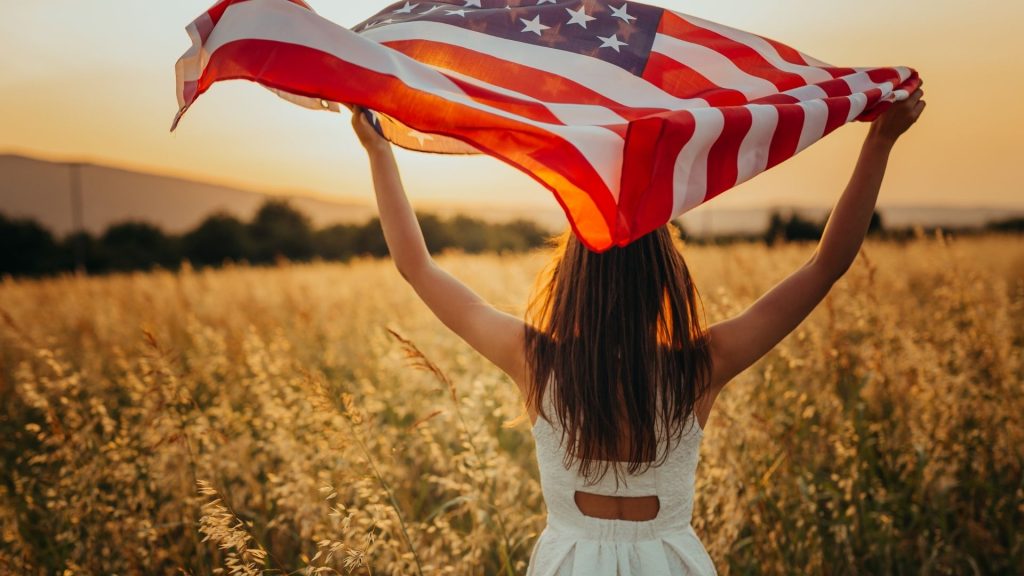
Historic Parades: A Tradition Rooted in Early American Celebrations
One of the most enduring traditions associated with the Fourth of July is the Independence Day parade, a public spectacle that dates back to the earliest years of the American republic. Even in the late eighteenth and early nineteenth centuries, communities gathered to mark the anniversary of independence with processions, speeches, and patriotic music. These early celebrations served as both political statements and expressions of civic pride.
In modern America, Fourth of July parades remain a central feature of the holiday in many cities and towns. Streets are lined with flags and decorations as residents gather to watch marching bands, community groups, veterans’ organizations, and local leaders participate in the procession. The atmosphere often reflects a blend of nostalgia and celebration, connecting modern communities with traditions that have existed for generations.
Parades also serve as a public reminder of national history. Many events include historical reenactors dressed in clothing inspired by the Revolutionary era. These participants help audiences visualize the people who played roles in the nation’s early struggles for independence. Such reenactments transform historical memory into a visible and engaging experience.
In addition to historical themes, modern parades often highlight the diversity of contemporary American society. Cultural organizations, youth groups, and community associations participate alongside traditional patriotic displays. This combination illustrates how the concept of American identity has expanded over time while still honoring the country’s founding ideals.
For many families, attending a local parade is one of the first activities of the day. Children watch colorful floats and marching bands while community members greet neighbors and friends. The experience reinforces the idea that Independence Day is not only about national history but also about the strength of local communities.
Through their combination of pageantry, historical symbolism, and civic participation, Fourth of July parades continue to represent one of the most recognizable traditions in modern American culture.
Fireworks Displays and the Symbolism of Celebration
Fireworks have become perhaps the most iconic visual symbol of the Fourth of July. The tradition dates back to the earliest Independence Day celebrations, when public displays of light and sound were used to mark the significance of the new nation’s founding. Over time, fireworks evolved into large-scale spectacles that draw crowds of thousands to parks, waterfronts, and public squares across the United States.
The appeal of fireworks lies not only in their visual beauty but also in their symbolic meaning. The bright explosions of color in the night sky evoke feelings of excitement, celebration, and national pride. For many Americans, watching fireworks has become an emotional experience that connects them with generations who celebrated the holiday before them.
Modern fireworks displays are often carefully choreographed events that combine light, sound, and music. Cities invest significant planning and resources into creating shows that reflect the scale and importance of the holiday. These events attract large crowds and are frequently accompanied by live performances, community gatherings, and public ceremonies.
The experience of watching fireworks also has a communal aspect. Families, friends, and neighbors gather together in open spaces to watch the display, often bringing blankets, picnic baskets, and folding chairs. The shared anticipation as the sky lights up with bursts of color creates a sense of collective celebration that is unique to the holiday.
Beyond their entertainment value, fireworks also carry historical symbolism. Early celebrations of independence included artillery salutes and celebratory gunfire, which later evolved into the fireworks displays seen today. The tradition reflects the joy and relief felt by early Americans after gaining independence, a sentiment that continues to echo through modern celebrations.
Although technology has made fireworks displays more elaborate than ever, the underlying meaning remains the same: a vibrant expression of freedom, celebration, and national unity.
Backyard Barbecues: The Heart of Family Celebrations
While public events play an important role in Independence Day festivities, many Americans consider the backyard barbecue to be the true heart of the holiday. Across the country, families and friends gather in backyards, parks, and community spaces to share meals and spend time together. These gatherings transform the holiday from a national commemoration into a personal and social experience.
Barbecues have become closely associated with the Fourth of July because they capture the relaxed, outdoor atmosphere of midsummer in the United States. Grills are set up in backyards, picnic tables are arranged with food and drinks, and conversations continue long into the evening. The informal nature of these gatherings allows people to enjoy the holiday in a comfortable and familiar setting.
Food plays a central role in these celebrations. Traditional barbecue menus often include grilled dishes, fresh salads, seasonal fruits, and homemade desserts. These meals reflect the agricultural abundance of summer and the cultural traditions of different regions of the country. Each family or community may add its own variations to the menu, creating a unique culinary expression of the holiday.
Beyond the food itself, backyard barbecues provide an opportunity for social connection. Neighbors often join the gathering, children play games in the yard, and conversations range from everyday life to reflections on the meaning of the holiday. These simple interactions strengthen community bonds and reinforce the sense of shared celebration.
In many ways, the popularity of backyard barbecues demonstrates how Independence Day has evolved over time. While the holiday began as a formal commemoration of political independence, it has grown into a cultural tradition centered on togetherness and community.
The backyard barbecue therefore represents more than a meal; it embodies the spirit of hospitality, friendship, and freedom that many Americans associate with the Fourth of July.
Community Events and Local Festivals
Across the United States, local communities organize festivals and public events that transform Independence Day into a lively celebration of culture and civic pride. These gatherings often include concerts, art fairs, historical exhibits, and recreational activities designed to bring people together in shared celebration.
Community festivals often take place in parks, town squares, or waterfront areas where large groups can gather comfortably. Live music performances are a common feature, with local musicians performing patriotic songs, folk music, or contemporary styles that appeal to a wide audience. These performances contribute to a festive atmosphere while also showcasing local talent.
Many communities incorporate historical storytelling into their celebrations. Local historians and educators present short talks or exhibitions that highlight the history of the town or region. These presentations remind residents that their own communities have played a role in the broader national story.
Family-friendly activities also form a key part of community festivals. Games, craft workshops, and outdoor competitions allow children to participate in the celebrations while learning about the significance of the holiday. These activities help younger generations develop an appreciation for the traditions associated with Independence Day.
Another important element of community events is volunteer participation. Local organizations, civic groups, and residents often collaborate to plan and organize the celebrations. This cooperative effort strengthens community bonds and reinforces the idea that national holidays are shared experiences.
Through these festivals and gatherings, Independence Day becomes more than a historical commemoration. It becomes a vibrant cultural event that reflects the energy and diversity of modern American communities.
Conclusion
Fourth of July traditions in modern America reflect a unique blend of historical remembrance and contemporary cultural practices. From historic parades that echo the early celebrations of the republic to fireworks displays that light up the summer sky, each tradition connects the present generation with the nation’s founding story.
At the same time, the holiday has evolved into a deeply social occasion centered on family gatherings, backyard barbecues, and community festivals. These traditions demonstrate how national identity can be expressed through everyday experiences such as shared meals, neighborhood celebrations, and local cultural events.
The enduring popularity of these customs shows that Independence Day remains an important part of American life. It provides a moment each year when citizens pause to reflect on the ideals of freedom and self-government while also celebrating the relationships and communities that define their daily lives.
By combining historical reflection with joyful celebration, Fourth of July traditions continue to capture the spirit of a nation that values both its past and its evolving future.
Read These Next

Why Buyers Trust Real Estate Videos More Than Photos
For years, professional photography has been the foundation of property marketing. Great photos remain essential, but buyer behaviour is changing.…

Marketing in the Netherlands: Why Dutch Consumers Think Differently
The marketing industry in the Netherlands works differently compared to many other countries in Europe. Dutch consumers are practical, highly…

Tourism in Tenerife: Why the Island Feels Different From Other Vacation Spots
Tenerife isn’t one of those places people visit once and forget about. The island has a strange way of pulling…