





NASA Confirms First Crewed Artemis II Moon Mission Set for September 2026
If there’s one word to describe New York, it’s alive. The city never slows down—whether it’s Wall Street buzzing with deals, Broadway lighting up the night with shows, or street performers turning the subway into their personal stage. People say if you can make it here, you can make it anywhere, and honestly, that’s true. The energy pushes you to dream bigger, hustle harder, and live louder.
Houston, TX — Major Milestone in the New Space Age
NASA has officially announced that the long-anticipated Artemis II mission, which will send astronauts around the Moon for the first time in over 50 years, is scheduled to launch in September 2026.
This historic mission marks the first crewed flight of the Artemis program and is a key step toward NASA’s goal of establishing a sustained human presence on the Moon—and eventually Mars.
“We’re going back—not just to plant flags, but to build the future,” said NASA Administrator Bill Nelson during the October 2025 press briefing. “Artemis II will show the world what 21st-century space exploration looks like.”
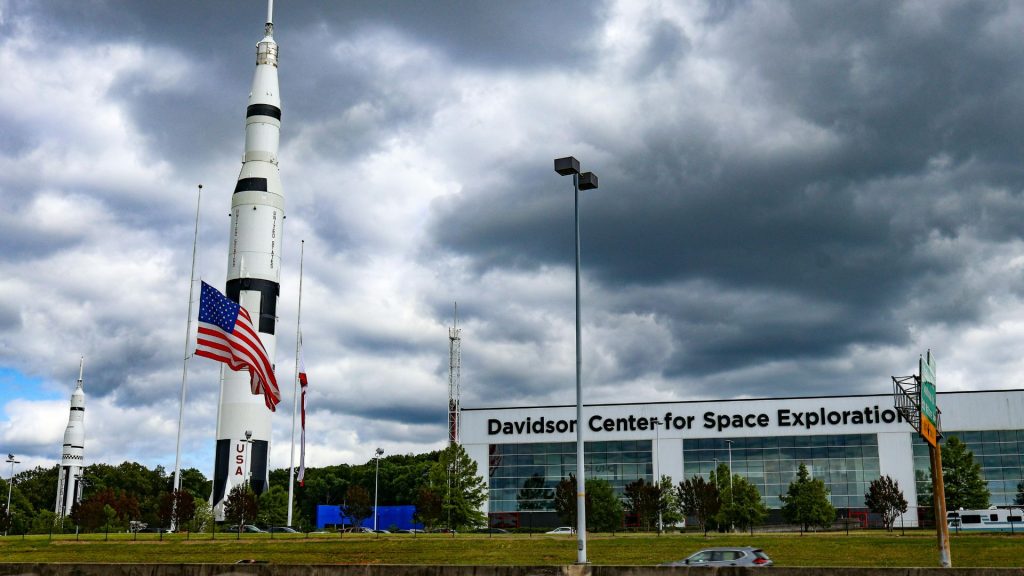
🚀 What Is Artemis II?
Artemis II will be the first time humans travel beyond low Earth orbit since Apollo 17 in 1972. The mission will include a 10-day flight around the Moon aboard the Orion spacecraft, launched by the Space Launch System (SLS)—the most powerful rocket NASA has ever built.
Key mission highlights:
- 4 astronauts: 3 Americans and 1 Canadian (thanks to NASA’s partnership with the Canadian Space Agency)
- No lunar landing (that’s for Artemis III), but the crew will fly over 230,000 miles from Earth
- Critical tests of life support, communication, and deep-space navigation systems
- First crewed test of the Orion heat shield upon atmospheric re-entry at over 24,000 mph
🌒 Who’s Going to the Moon?
The Artemis II crew includes:
- Reid Wiseman (Commander, NASA)
- Victor Glover (Pilot, NASA)
- Christina Hammock Koch (Mission Specialist, NASA)
- Jeremy Hansen (Mission Specialist, Canadian Space Agency)
Christina Koch will become the first woman to fly around the Moon, and Victor Glover will be the first Black astronaut to do so. Jeremy Hansen will also make history as the first Canadian astronaut on a lunar mission.
🌍 Why It Matters
This mission isn’t just symbolic. It’s the foundation for Artemis III, which will attempt the first crewed lunar landing since Apollo, possibly by 2028. But unlike the Apollo missions, Artemis is focused on building long-term infrastructure, including:
- A lunar base camp
- The Lunar Gateway space station
- International and commercial partnerships to support a full Moon economy
It’s not just about going back. It’s about staying—and learning how to live and work in deep space.
💬 Public Buzz and Global Impact
Interest in Artemis II is sky-high. Social media exploded following the crew reveal, and major brands are already lining up for collaborations, sponsorships, and STEM partnerships.
Meanwhile, China and India are pushing forward with their own lunar programs. The Artemis program is seen not just as a scientific effort—but as part of a new global space race, one focused on technology, leadership, and diplomacy in space.
🛰️ What Comes After Artemis II?
Assuming a successful mission in 2026:
- Artemis III is planned for 2028 and will land astronauts at the Moon’s south pole
- Artemis IV and beyond aim to support construction of the Lunar Gateway, a permanent outpost orbiting the Moon
- The long-term goal? Prepare for a human mission to Mars, possibly in the late 2030s
Final Thoughts: One Step Closer to the Future
Artemis II isn’t just another mission—it’s a moment. A generation that grew up with sci-fi and space dreams will finally see humanity return to deep space.
From high school classrooms to international space agencies, September 2026 will be one to remember.
The Moon is just the beginning.
Read These Next

Why Buyers Trust Real Estate Videos More Than Photos
For years, professional photography has been the foundation of property marketing. Great photos remain essential, but buyer behaviour is changing.…

Marketing in the Netherlands: Why Dutch Consumers Think Differently
The marketing industry in the Netherlands works differently compared to many other countries in Europe. Dutch consumers are practical, highly…

Tourism in Tenerife: Why the Island Feels Different From Other Vacation Spots
Tenerife isn’t one of those places people visit once and forget about. The island has a strange way of pulling…